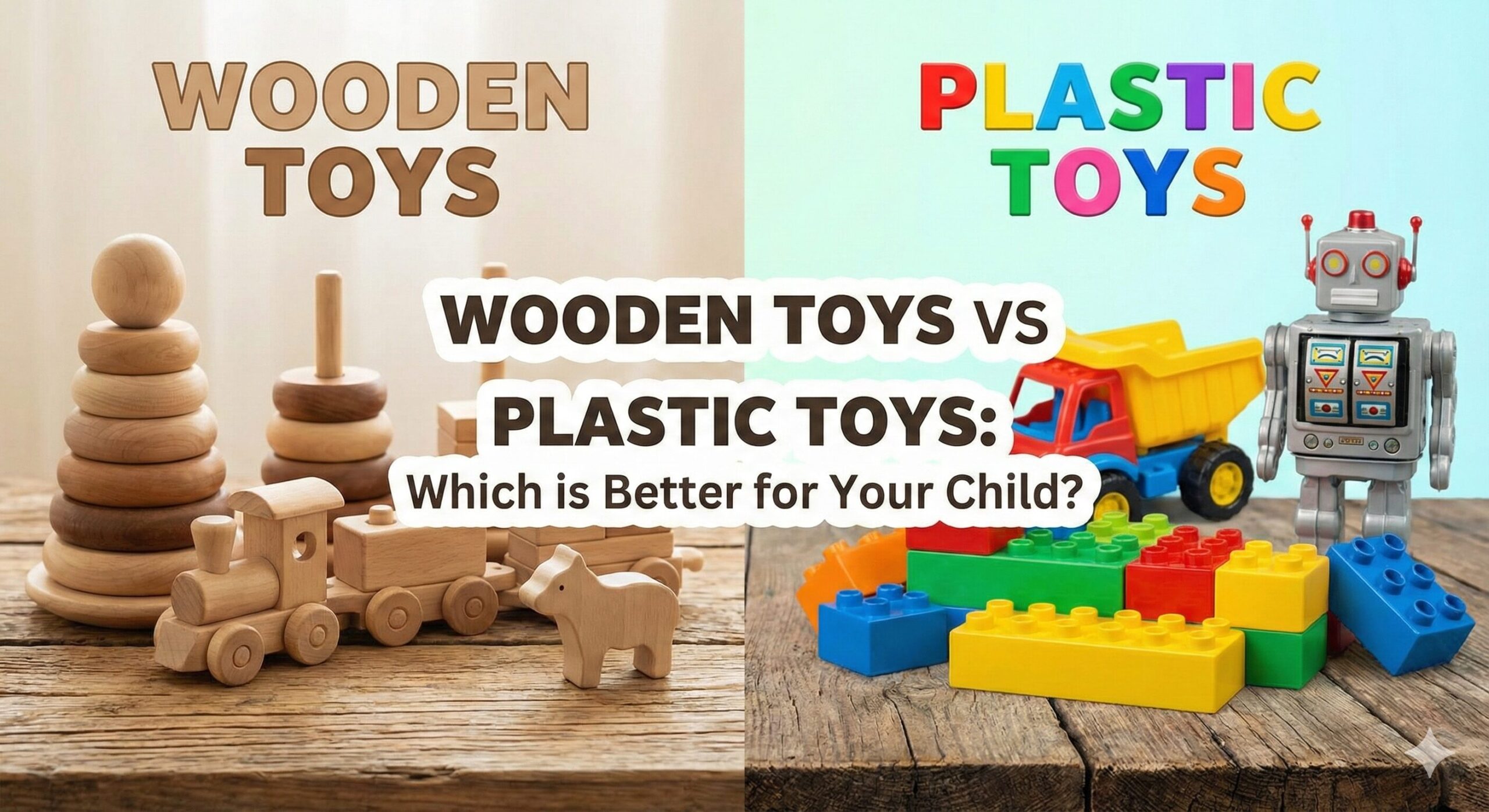
Wooden Toys vs. Plastic Toys: The Definitive Guide for Conscious Parents
Walk into any modern toy store, and you are immediately bombarded by a sensory overload of flashing lights, garish colors, and synthetic sounds. For decades, plastic has reigned supreme in the toy aisle, offering affordability and mass production. However, a quiet revolution has been taking place in nurseries and playrooms globally. Parents are increasingly pausing to ask: Wooden toys vs. plastic toys—which is truly better for my child?
This isn’t just a matter of aesthetics or following a “sad beige” Instagram trend. The choice between wood and plastic impacts your child’s cognitive development, the safety of their play environment, and the health of the planet they will inherit. Whether you are looking for the best creative toys to foster imagination or durable heirlooms, understanding the fundamental differences is crucial.
In this comprehensive comparison, we will strip away the marketing hype. We will analyze durability, sensory development, chemical safety, environmental impact, and cost-effectiveness to help you decide which material belongs in your toy box.
At a Glance: Wood vs. Plastic
Before we dive deep into the science and psychology of play materials, here is a quick breakdown of how these two contenders stack up against each other.
| Feature | Wooden Toys | Plastic Toys |
|---|---|---|
| Durability | Extremely High (Heirloom quality) | Low to Medium (Prone to cracking) |
| Sensory Profile | Warm, tactile, heavy, natural smell | Cold, smooth, lightweight, synthetic |
| Educational Value | High (Encourages open-ended play) | Variable (Often passive entertainment) |
| Safety (Chemicals) | Generally non-toxic (Natural antibacterial) | Risk of BPA, Phthalates, PVC |
| Environmental Impact | Biodegradable, Renewable | High carbon footprint, landfill waste |
| Cost | Higher upfront, better long-term value | Cheaper upfront, frequent replacement |
Round 1: Safety and Chemical Toxicity
When our children are young, everything ends up in their mouths. This oral exploration is a critical part of development, but it makes the chemical composition of toys a paramount concern for parents.
The Problem with Plastic
Cheap plastic toys are mass-produced using petroleum-based products. While regulations have improved, many plastic toys—especially cheaper imports—can still contain harmful substances like Bisphenol A (BPA), phthalates, and PVC. These chemicals are known endocrine disruptors, which can interfere with hormone systems.
Furthermore, when plastic breaks, it tends to shatter into sharp, jagged edges that pose immediate physical danger. Even high-quality plastic can become brittle over time when exposed to sunlight.
The Natural Safety of Wood
Wooden toys, particularly those made from sustainable hardwoods like maple, beech, or birch, offer a safer alternative. Wood is a natural material that does not require chemical softeners to be molded. High-quality wooden toys usually use water-based, non-toxic stains (or simply beeswax finishes) rather than lead-heavy paints.
Additionally, wood possesses natural antibacterial properties. Bacteria do not multiply on porous wood surfaces as rapidly as they do on the scratched surfaces of plastic toys. For parents concerned about hygiene during the best pretend play toys for 4-year-olds phase, wood offers peace of mind.
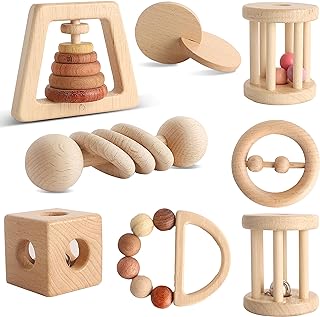 Check Wooden Safety Toys on Amazon
Round 2: Cognitive Development and Imagination
The “less is more” philosophy is the cornerstone of Montessori and Waldorf education. The material of the toy dictates how the child plays with it.
Passive Toys vs. Active Play
Plastic toys are often designed to be “active.” They have batteries, flashing lights, and buttons that make sounds. While entertaining, these features can actually make the child “passive.” The toy directs the play. The child presses a button, and the toy performs.
Conversely, wooden toys are generally “passive,” which forces the child to be “active.” A simple wooden block can be a car, a phone, a building, or a sandwich. This concept is central to understanding what is pretend play. Without electronic inputs, the child must generate the sound effects, the dialogue, and the scenario. This builds neural pathways related to creativity, storytelling, and problem-solving.
Concentration and Overstimulation
Have you ever noticed a child getting cranky in a room full of noisy electronic toys? The sensory input from plastic electronic toys can lead to overstimulation. The lights and sounds interrupt the child’s thought process.
Wooden toys are quieter and grounded. They allow for deep work and sustained attention spans. For example, building a castle with wooden blocks requires focus on balance and geometry, whereas a plastic playset with pre-molded parts requires less cognitive effort.
Even when looking at licensed themes, such as choosing the best Disney villains figures, plastic versions dictate the character’s look perfectly, whereas wooden peg dolls of the same characters invite the child to imagine the facial expressions.
 See Wooden Building Sets on Amazon
Round 3: Durability and Longevity
We live in a disposable culture, but your toy box doesn’t have to reflect that.
The Heirloom Quality of Wood
Wooden toys are built to last. A solid wooden train set or a dollhouse can survive decades of rough play. They don’t shatter when thrown; at worst, they might get a dent which adds character. This is why you often see wooden toys passed down from generation to generation.
For example, when comparing housing for dolls, the best Barbie dollhouse options made of wood often outlast their plastic counterparts which tend to lose doors, snap hinges, and discolor over time.
The Lifespan of Plastic
Plastic toys, while often cheaper, have a shorter lifespan. Mechanisms fail, batteries leak, stickers peel, and thin plastic parts snap. Once a plastic toy breaks, it is usually impossible to repair effectively, leading it straight to the trash.
There are exceptions, of course. High-quality ABS plastic, used in the best Disney Lego sets, is incredibly durable. Lego bricks from the 1980s still fit with bricks made today. However, general molded plastic toys rarely boast this longevity.
Round 4: The Sensory Experience
Young children learn about the world through touch. The tactile experience of their toys sends signals to their brain about weight, texture, and temperature.
Plastic: Plastic is generally smooth, lightweight, and room temperature. It offers very little tactile variety. A plastic apple feels the same as a plastic truck.
Wood: Wood has grain, texture, and warmth. It has “heft.” A small wooden block feels heavier than a large hollow plastic ball. This helps children develop a better understanding of physics, gravity, and object permanence. The natural smell of wood also provides a calming sensory input, unlike the chemical off-gassing smell sometimes found in new plastic toys.
This sensory depth is vital. Whether they are playing with the best space toys and imagining a rocky moon surface, or discerning the difference between a pixie and a fairy in a fantasy setting, the tactile feedback of wood grounds the experience.
Round 5: Environmental Impact
For the eco-conscious family, this is often the deciding factor.
- Biodegradability: Wood is a renewable resource. When a wooden toy eventually reaches the end of its life, it is biodegradable. Plastic toys can sit in landfills for 500+ years, breaking down into microplastics that pollute our oceans and soil.
- Production: The production of plastic contributes significantly to carbon emissions. While logging for wood has an impact, toys made from FSC-certified (Forest Stewardship Council) wood ensure that trees are replanted and forests are managed responsibly.
- Recyclability: Most plastic toys are made of mixed materials (screws, metal springs, different types of plastic), making them notoriously difficult to recycle.
Even in categories dominated by plastic, like dress-up clothes, choosing natural fibers over polyester is a similar eco-choice. Whether you are looking for the best Cinderella dress or the best Disney dresses, opting for sustainable fabrics parallels the choice of choosing wooden toys over plastic.
 Shop Eco-Friendly Toys on Amazon
Category Face-Offs: Wood vs. Plastic
Some toys work better in wood, while others inevitably require plastic. Let’s look at specific categories.
1. Building Tiles
This is a fierce battleground. You have wooden blocks versus magnetic plastic tiles. In the debate of Picasso Tiles vs Magna-Tiles, both are plastic but offer immense educational value through geometry and light refraction—something opaque wood cannot do. However, for structural integrity and balance, plain wooden blocks are superior.
2. Role Play & Figures
For action figures, plastic allows for articulation (moving joints) that wood struggles to replicate. If your child wants the best pirate toys with movable arms to swing swords, plastic is often the go-to. However, for a stationary pirate ship or a castle, wood provides a sturdy base that doesn’t tip over easily.
3. Dolls & Princesses
Plastic dolls (like Barbie) dominate because of the hair and realistic features. However, for younger toddlers, the best Disney princess might be a wooden peg doll version. They are indestructible, easy to hold, and allow the child to imagine the dress details rather than worrying about ripping cheap synthetic fabric.
Pros and Cons Summary
🌲 Wooden Toys Pros
- Durable: Lasts for generations.
- Eco-Friendly: Biodegradable and renewable.
- Sensory Rich: Weight, texture, and warmth.
- Safe: BPA/Phthalate-free.
- Aesthetic: Looks beautiful in the home; less clutter.
- Encourages Imagination: Passive toys create active minds.
⚠️ Wooden Toys Cons
- Price: Higher initial investment.
- Weight: Can be heavy; dropped toys can hurt toes.
- Variety: Less “flashy” functions (no lights/sounds).
- Water: Generally cannot be used in the bath (swelling).
🤖 Plastic Toys Pros
- Affordable: Accessible for all budgets.
- Washable: Easy to sanitize (great for daycares).
- Detailed: Molded shapes allow for realism.
- Waterproof: Perfect for bath and water table play.
- Articulation: Action figures can move and pose.
⚠️ Plastic Toys Cons
- Toxic Concerns: Risk of harmful chemicals in cheap versions.
- Fragile: Cracks easily; mechanisms fail.
- Environmental Hazard: Microplastics and landfill waste.
- Overstimulating: Lights/noise can reduce attention span.
Final Verdict: Which Should You Choose?
The battle of wooden toys vs plastic toys isn’t about banning one entirely. It is about balance and intentionality.
Choose Wooden Toys If:
- You value the benefits of imaginative play and want to encourage deep focus.
- You want toys that double as decor and don’t make your living room look chaotic.
- Sustainability and chemical safety are your top priorities.
- You are buying for babies or toddlers who put everything in their mouths.
Choose Plastic Toys If:
- You need water toys or outdoor toys that will be left in the rain.
- You are looking for specific mechanics (like high-tech building sets or articulated action figures).
- You are on a strict budget but want to provide variety (just ensure you check for “BPA-Free” labels).
- You are buying Lego-style construction sets where plastic’s clutch power is unmatched.
Ultimately, the best toy is one that is played with. A high-quality wooden barn that sits untouched is less valuable than a plastic set that engages a child for hours. However, for the foundation of a child’s playroom, wood offers a warmth, safety, and developmental advantage that plastic simply cannot replicate.
 Browse Top Rated Wooden Toys
Frequently Asked Questions
Are wooden toys naturally antibacterial?
Yes, many types of wood possess natural antimicrobial properties. Wood is porous and can draw moisture away from bacteria, causing them to die, whereas bacteria can thrive on the synthetic, non-porous surfaces of plastic, especially in scratches.
Why are wooden toys more expensive than plastic?
Wooden toys are more expensive due to the cost of raw materials (sustainable timber) and the manufacturing process. Unlike plastic which is injection-molded in mass quantities cheaply, wooden toys often require more hands-on craftsmanship, sanding, and finishing.
Can I clean wooden toys with water?
You should never soak wooden toys. Wood swells and warps when saturated. Instead, wipe them down with a damp cloth and a mild vinegar solution or soapy water, then dry them immediately.
Are all plastic toys toxic?
No. While cheap plastic can contain harmful chemicals, many reputable manufacturers use food-grade, BPA-free, and phthalate-free plastics. Always check the packaging for safety certifications (like ASTM or EN71) before buying.
Do wooden toys help with sensory processing?
Absolutely. Wooden toys have weight, texture, and natural temperatures that provide grounding tactile feedback. This helps children with sensory processing regulate their systems better than lightweight, flashy plastic toys.
Conclusion
The shift from plastic to wood is more than a trend; it’s a return to basics. By choosing wooden toys, you are investing in durability, safety, and the environment. You are giving your child the tools to build their own worlds rather than just pressing buttons in someone else’s.
Ready to transform your playroom? Start small. Swap out the plastic blocks for a wooden set, or replace a battery-operated doll with a handcrafted one. Your child’s imagination—and the planet—will thank you.