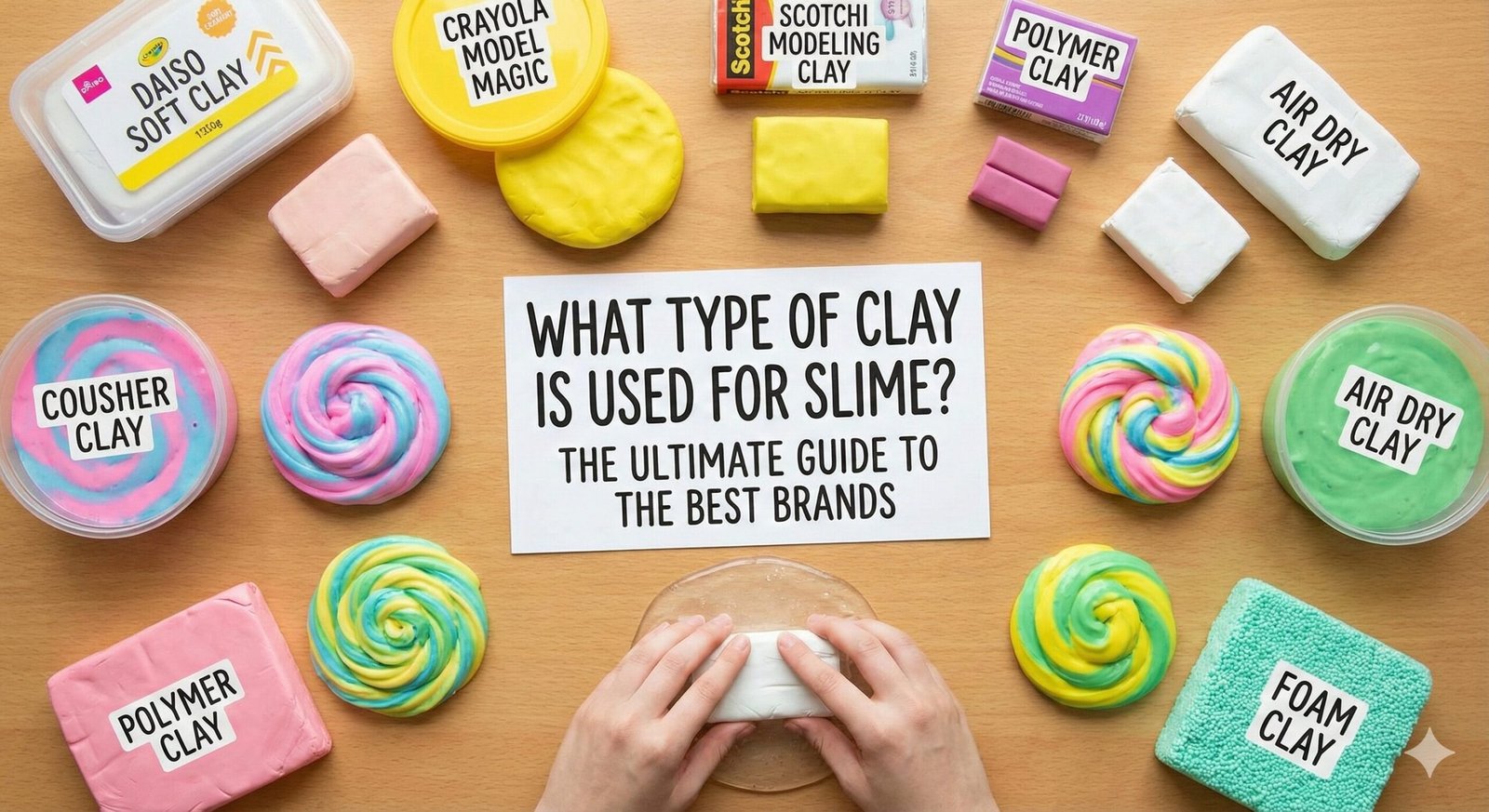
What Type of Clay is Used for Slime? The Ultimate Guide to the Best Brands
There is a specific moment in the world of sensory play that is universally satisfying: the moment you press a block of soft, pillowy clay into a glossy slime base. It transforms from a sticky substance into a velvety, spreadable, peanut-butter-like texture known as “Butter Slime.” But not all clays are created equal. Grab the wrong one, and you’ll end up with a hard, chunky mess rather than a smooth masterpiece.
Whether you are a professional slime shop owner or a parent looking to expand your child’s collection of creative toys, understanding the chemistry between polymers and clay is essential. In this comprehensive guide, we will break down exactly what type of clay is used for slime, review the best clay for slime on the market, and tell you exactly where you can buy the elusive Daiso clay.
What Type of Clay is Used for Slime?
If you walk into a craft store, you will see aisles dedicated to heavy pottery clay, oven-bake polymer clay, and oil-based modeling clay. Do not buy these for slime.
The specific type of clay used for slime is Soft Clay (also known as lightweight air-dry clay or paper clay). This clay is distinct because it is water-based, airy, and contains specific polymers that bond with the PVA glue in slime.
The “Butter” Effect
Why do we add clay? It’s all about texture modification. When soft clay is mixed into a slime base, it interrupts the long polymer chains of the glue and borax. This reduces the “snap-back” elasticity of the slime, making it:
- Spreadable: Like actual butter on toast.
- Matte: It removes the glossy sheen.
- Holdable: It becomes less sticky and easier for younger children to handle.
This makes it an excellent introduction to sensory play, similar to the tactile benefits found in imaginative play scenarios.
Soft Clay vs. Traditional Air Dry Clay
While the clay used for slime is technically an “air-dry” clay, not all air-dry clays work. Traditional brands used for pottery (like DAS) are heavy, gray, and earthy. They will dissolve into mud in your slime. You need Model Magic style clays or Japanese Soft Clays which feel like marshmallows.
What is the Best Clay for Slime? A Deep Dive Review
We tested the most popular options on the market to determine which one yields the smoothest butter slime. Here are the results.
1. Daiso Soft Clay (The Gold Standard)

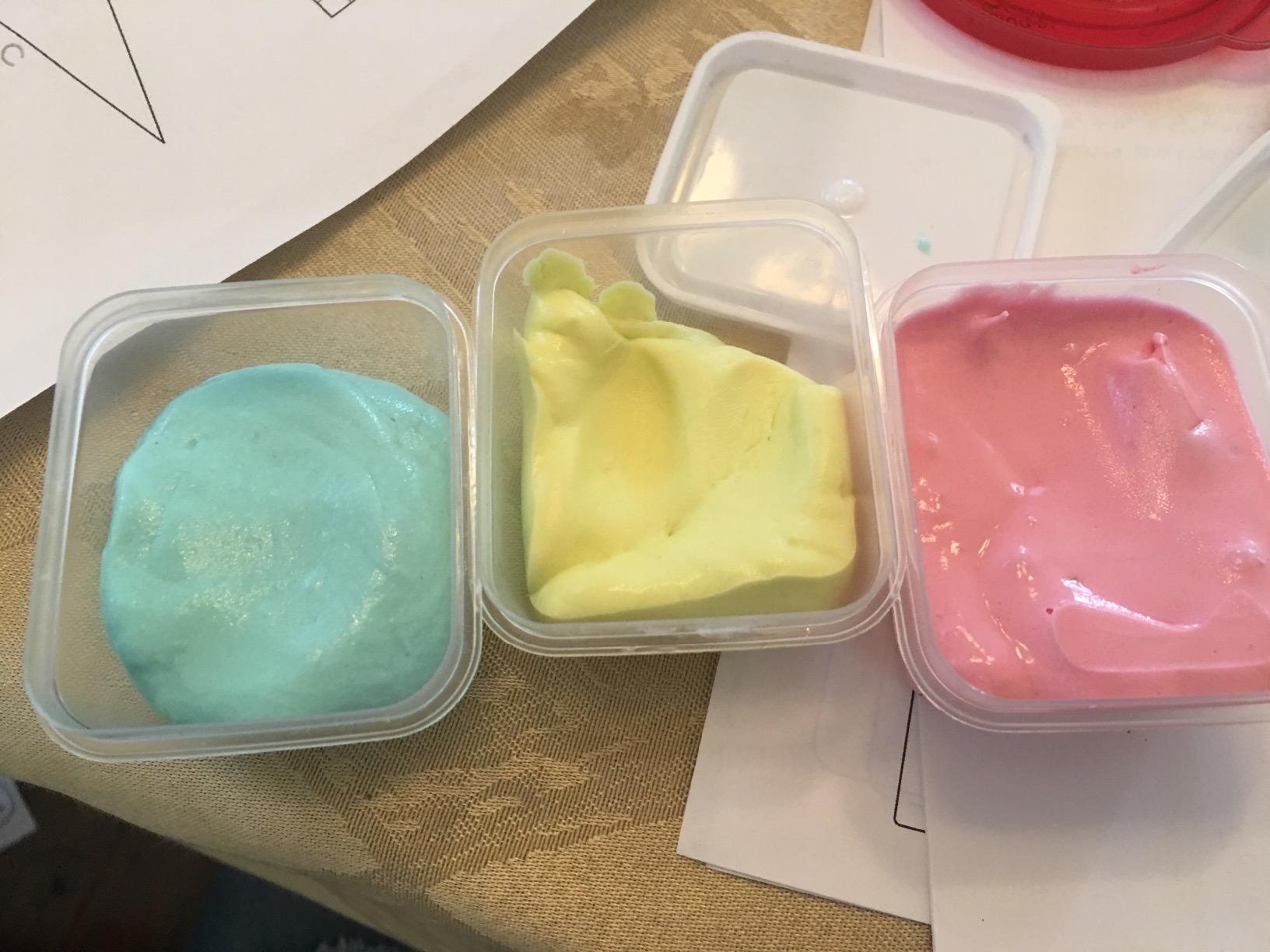
When slimers ask, “What is the best clay for slime?” the answer is almost universally Daiso Clay. Originating from the Japanese “100 Yen” store Daiso, this clay is legendary. It comes in a distinct box (usually pink, blue, or yellow depending on the color inside) and feels incredibly moist and light.
Performance: It mixes instantly. There are no lumps. It creates a “sizzly” texture that inflates massively when you play with it. It is the secret ingredient for the professional-grade slimes you see on TikTok.
Pros
- Incredible smooth texture
- Mixes seamlessly with PVA glue
- Highly inflatable
- Comes in various colors
Cons
If you are trying to recreate the magic of high-end slime, this is non-negotiable. It pairs beautifully with themed play; imagine making a blue ocean slime for your pirate toy adventures or a sparkly pink batch to go with Barbie dollhouses.
 Check Price on Amazon
2. Crayola Model Magic (The Accessible Choice)

Crayola Model Magic is the runner-up and the most accessible option in the United States. You can find it in almost any big-box store. However, the texture is different from Daiso.
Performance: Model Magic creates a “fluffier” and “chewier” slime. It feels more like a marshmallow. It takes a little more elbow grease to mix in than Daiso, but once incorporated, it holds its shape very well. It is essentially the Magna-Tiles of the slime world—reliable, durable, and a staple in playrooms.
Pros
- Extremely easy to find
- Safe and non-toxic (trusted brand)
- Creates a thick, holdable butter slime
- Great for creating shapes on top of slime before mixing
Cons
 Check Price on Amazon
3. Generic “24 Color” Air Dry Clay Kits
You will often see bulk packs of 24 or 36 small bags of air-dry clay on Amazon. These are surprisingly good for slime! They are usually softer than Model Magic but slightly stickier than Daiso. They are excellent for cost-efficiency if you want to make a rainbow of colors.
These kits often come with tools, making them a great gift set alongside other Montessori-style creative kits.
 Check Price on Amazon
Where Can You Buy Daiso Clay?
Because Daiso is a Japanese brand, finding it can be a treasure hunt. Here is the definitive guide on where to secure your supply.
1. Amazon (Most Convenient)
Amazon is the easiest place to buy Daiso clay, usually sold in bundles of 3, 5, or 10 boxes. While the price per box is higher than in-store, the convenience of Prime shipping beats driving to a different city.
2. Daiso Japan Stores (Cheapest)
If you live in California, Texas, New York, or Washington, check if there is a Daiso brick-and-mortar store near you. You can buy the clay there for roughly $1.50 to $1.75 per box. It is usually located in the crafts or stationery aisle.
3. Specialized Slime Supply Shops
Many large online slime shops (like Peachybbies or Snoopslimes) sell “Clay for Slime” which is often unbranded Daiso-style clay imported in bulk.
4. eBay and Etsy
You can find resellers here, but be wary of shipping costs. This is a good option if you are looking for specific rare colors of clay to match a theme, perhaps something to go with a Cinderella dress setup or a specific color palette.
Step-by-Step: How to Make Perfect Butter Slime
Now that you have your clay, how do you combine it?
Ingredients:
- 4oz White PVA Glue (School Glue)
- 1 tsp Activator (1 tsp Borax dissolved in 1 cup warm water)
- 1 small box of Daiso Clay or packet of Model Magic
- Lotion (for stretch)
Instructions:
- Make the Base: Pour glue into a bowl. Add a few pumps of lotion. Slowly add activator while stirring until the slime forms. It should be slightly sticky—over-activating it now will make the final result hard.
- Prepare the Clay: Take your clay out of the package. Knead it in your warm hands to soften it up. If it feels dry, add a drop of lotion to the clay.
- The Marriage: Place the clay on top of your white slime. This is the “Instagram moment.” Press the clay into the slime and fold.
- Mix: Squeeze and fold repeatedly. At first, it will look separated. Keep kneading. After about 2 minutes, it will become one uniform, matte, buttery texture.
This process is a fantastic fine motor skill activity, much like handling jigsaw puzzles or small building blocks.
Comparison: Daiso vs. Model Magic vs. Polymer
Here is a quick reference guide to help you choose the right clay for your texture goals.
| Clay Type | Slime Texture Result | Mixability | Price Point | Best For |
|---|---|---|---|---|
| Daiso Clay | Velvety, sizzly, spreadable | Easy (10/10) | Moderate | Professional Butter Slime |
| Model Magic | Thick, fluffy, marshmallow | Medium (7/10) | Low (Available everywhere) | Kids & School Projects |
| Polymer Clay | Chunky, separates easily | Very Hard (1/10) | High | Do Not Use (unless for charms) |
| Generic Air Dry | Soft, slightly sticky | High (9/10) | Very Low | Bulk making & Party Favors |
Creative Slime Themes Using Clay
Once you master the art of butter slime, you can theme your creations to match your child’s interests.
- Princess Butter Slime: Use pink clay and add glitter. This pairs perfectly for a playdate involving Disney Princess dolls.
- Galactic Slime: Use black and purple clay swirled together. This is a hit with kids who love space toys.
- Villain Slime: A dark green or deep purple slime makes for great Disney Villains themed sensory bins.
- Construction Slime: Use brown or yellow clay to mimic dirt or sand, perfect for driving RC trucks through (just keep the slime away from the wheels!).
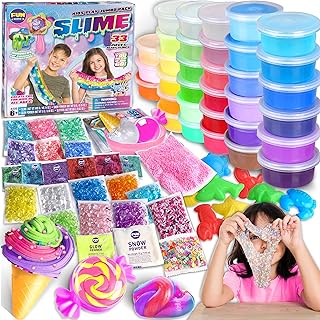 See Clay Slime Kits on Amazon
Frequently Asked Questions About Slime Clay
Can I use Play-Doh for slime?
Generally, no. Play-Doh is oil-based and does not mix well with water-based PVA glue slime. It tends to crumble and ruin the texture. Stick to soft air-dry paper clays or specific butter slime clays.
Why is my clay making the slime hard?
If your slime gets hard after adding clay, the clay might have been old/dry, or you added too much activator to the base. Because clay absorbs moisture, you often need to start with a slightly under-activated (sticky) base. You can fix stiff butter slime by kneading in lotion, baby oil, or a little bit of warm water.
What is the difference between soft clay and polymer clay?
Soft clay (Daiso) creates butter slime and fully incorporates into the glue mixture. Polymer clay (like Fimo or Sculpey) is a PVC-based medium that requires baking to harden and does not mix into slime. Polymer clay is only used to make the solid charms (like fake sprinkles or cute characters) that sit on top of the slime for decoration.
Can I use kinetic sand instead of clay?
Yes, but it creates a different texture called “Cloud Creme” or “Sand Slime.” It won’t be smooth and buttery; it will be grainy and textured. It’s a fun variation if you are bored of standard butter slime. For a comparison of texture types, think of the difference between smooth plastic toys and textured wooden toys.
Final Verdict
So, what is the best clay for slime? If you want that authentic, velvety, viral-video texture, Daiso Soft Clay is the undisputed champion. It offers the best spreadability and inflation. However, for accessibility and younger children who just want to squish something soft, Crayola Model Magic is a fantastic and safe alternative.
Adding clay to slime opens up a new world of sensory play. It transforms a sticky mess into a soft, therapeutic dough that is fun for all ages. Whether you are building a stash of pretend play toys or starting a slime business, getting the right clay is the first step to success.
Ready to start mixing? Grab your supplies below and get squishing!