Mastering the Brick: The Ultimate Guide on How to Organize LEGOs & The 5 Best Organizers
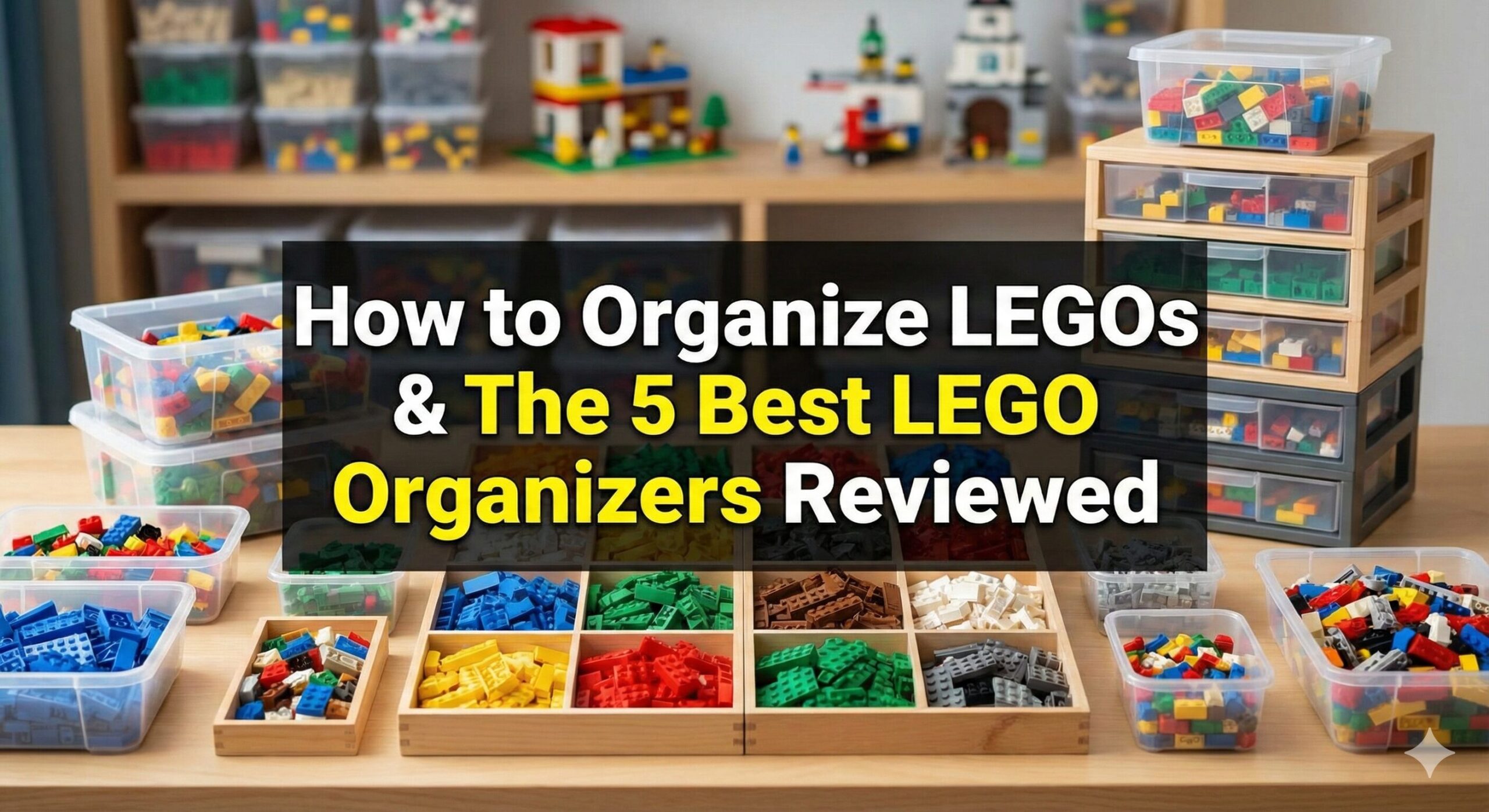
Walking barefoot through a minefield of sharp plastic bricks is a rite of passage for parents and hobbyists alike. But it doesn’t have to be your daily reality. Whether you are managing a toddler’s chaotic pile or curating a massive AFOL (Adult Fan of LEGO) studio, understanding how to organize LEGOs effectively is crucial for preserving your sanity and your creativity.
In this comprehensive guide, we move beyond simple cleanup. We explore the philosophy of sorting (color vs. shape), the maintenance of collections, and provide a definitive review of the 5 best LEGO organizers currently on the market.
The Great Debate: Sorting by Color vs. Sorting by Part
Before you buy a single bin or drawer, you must decide on a system. The most common mistake beginners make is sorting by color immediately. While it looks visually stunning—creating a rainbow aesthetic on your shelves—it is functionally inefficient for building.
1. The Case for Sorting by Color
Sorting by color is intuitive for children. It is easier to clean up because you simply grab a red brick and throw it in the red bin. However, finding a specific 1×2 modified plate inside a bin of 500 other red pieces is a nightmare. The human eye struggles to distinguish shape when everything is the same shade.
2. The Case for Sorting by Part (The Expert Method)
Professional builders and serious hobbyists almost exclusively sort by part type. If you have a bin full of 1×4 bricks of all colors, it is incredibly easy to spot the blue one you need. The contrast aids the search.
3. The Hybrid Approach
For most families, a hybrid approach works best. Keep general bricks (2×4, 2×2) sorted by color if you wish, but separate “special” pieces—minifigures, wheels, technic pins, and transparent pieces—into their own specific small-compartment organizers.
Tip: Just like choosing between wooden toys vs plastic toys often comes down to durability and texture, choosing a sorting method comes down to how you interact with the bricks. Do you build from instructions? Sort by part. Do you free-build? Color might work for you.
Step-by-Step Guide: How to Tackle the Chaos
Phase 1: The Broad Sort
Do not try to micromanage the collection immediately. Dump everything onto a large sheet (or the floor) and separate items into broad categories:
- Standard Bricks: The basic building blocks.
- Plates: The thin pieces.
- Minifigures & Accessories: Heads, bodies, tools.
- Technic/Specialty: Axles, gears, connectors.
- Non-LEGO Debris: You will find marbles, crayons, and maybe even missing puzzle pieces. (Speaking of puzzles, if you enjoy fitting small pieces together, check out our guide on what is a jigsaw puzzle).
Phase 2: The Wash (Optional but Recommended)
If you bought a used collection or yours has been gathering dust, wash them. Use a mesh laundry bag and warm water with mild detergent. Air dry them completely on a towel.
Phase 3: The Container Strategy
Once sorted, assess the volume. You cannot buy organizers until you know how much of each category you have. This prevents buying expensive cabinets for a category that fits in a sandwich bag.
The 5 Best LEGO Organizers Reviewed
We tested these based on capacity, accessibility, durability, and “toddler-proof” ratings.

1. Akro-Mils 44-Drawer Hardware Cabinet
Best For: Serious Builders & Sorting by Part
The Gold Standard for AFOLs. While technically a hardware cabinet for screws and nails, the Akro-Mils is perfect for LEGOs. It features a mix of small and large drawers, allowing you to separate tiny 1×1 studs from larger 2×4 bricks. The clear plastic lets you see exactly what is inside.
| Pros | Cons |
|---|---|
|
|
2. IKEA TROFAST System
Best For: Kids & Large Collections
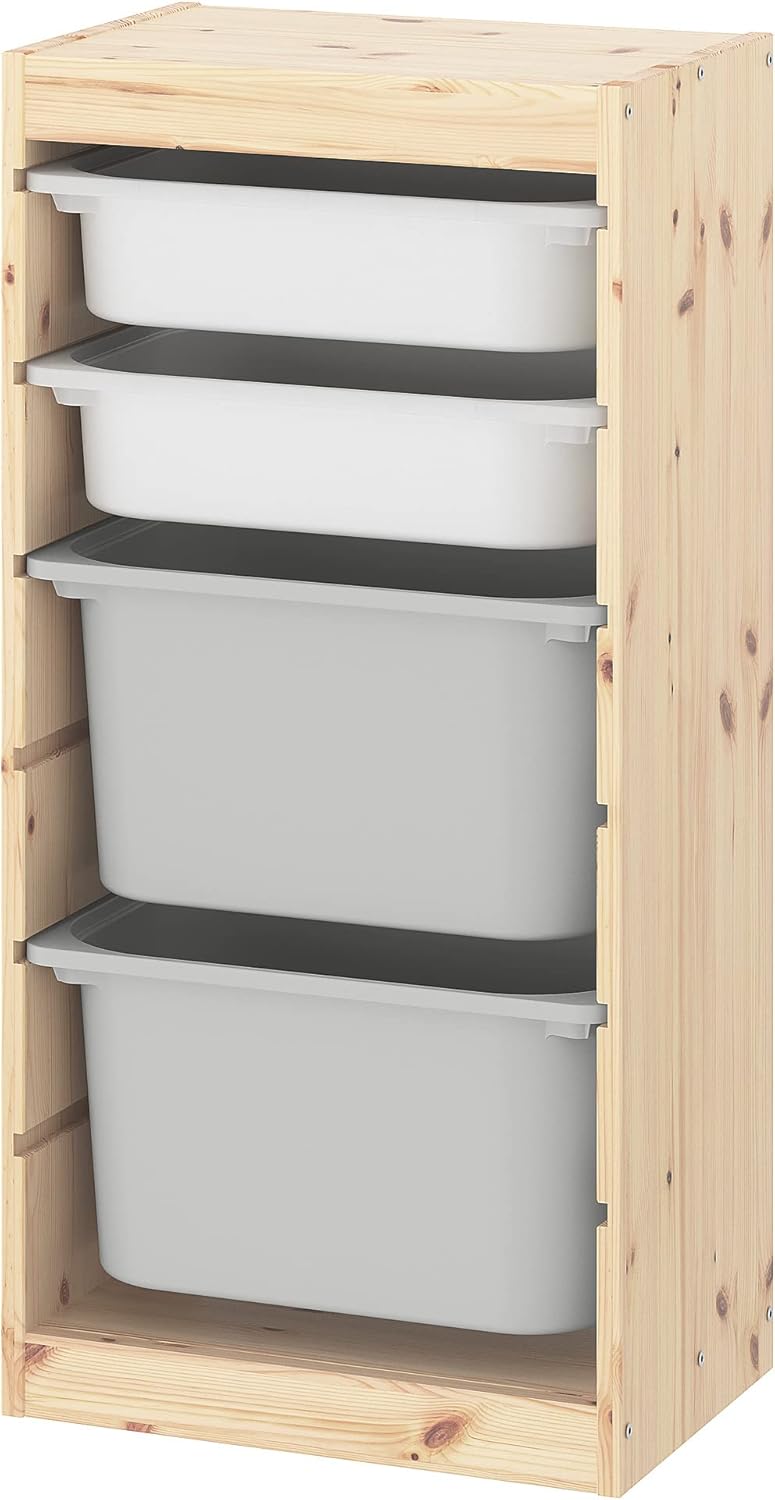
The TROFAST is legendary in the toy storage world. It utilizes a frame with sliding plastic bins of various sizes. It is robust, easy for children to use (just pull a bin out and dump it), and hides the mess effectively. It is similar in utility to shelves used for Montessori toys where accessibility is key.
| Pros | Cons |
|---|---|
|
|

3. Official LEGO Storage Brick 8
Best For: Aesthetics & General Storage
If you want your storage to look like LEGO, this is it. These are giant, stackable LEGO bricks that open up. They are fantastic for “unsorted” piles or general brick storage. However, the deep corners can sometimes trap tiny pieces (like 1×1 flat tiles), making them hard to retrieve.
| Pros | Cons |
|---|---|
|
|

4. Play & Go Toy Storage Bag
Best For: Quick Cleanup & Travel
This is a 2-in-1 solution: a play mat and a storage bag. You spread it out, kids play on it, and when you are done, you pull the drawstring, and it bundles everything up. This is ideal for families who don’t want to sort pieces at all but want them off the floor instantly. It works well for other magnetic toys too, like in the debate of Playmags vs Magnatiles, where quick cleanup is essential.
| Pros | Cons |
|---|---|
|
|
5. Creative Options Grab N Go Rack System
Best For: Technic & Small Parts
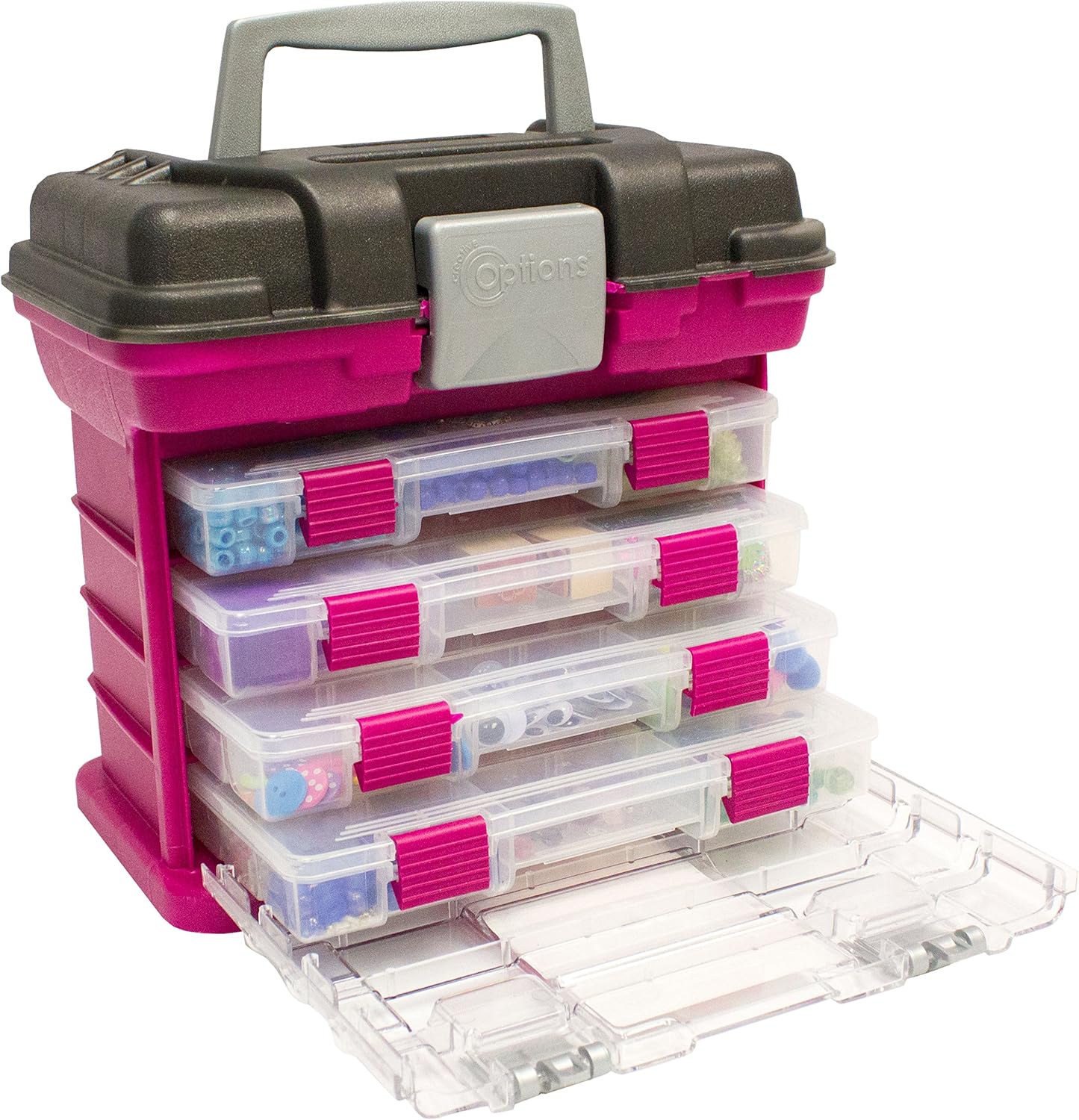
Originally designed for fishing tackle or sewing supplies, this system uses removable utility boxes. It is brilliant for Technic pins, axles, and minifigure accessories. You can pull out one box, work on a project, and slide it back in.
| Pros | Cons |
|---|---|
|
|
Comparison: Finding Your Perfect Match
| Model | Type | Capacity | Best For |
|---|---|---|---|
| Akro-Mils | Cabinet | High | Sorting by Part/AFOLs |
| IKEA Trofast | Bin System | Very High | Kids & General Bricks |
| LEGO Brick 8 | Stackable Box | Medium | Decor & Loose Bricks |
| Play & Go | Drawstring Bag | Medium | Instant Cleanup |
| Creative Options | Rack System | Low-Medium | Technic & Tiny Parts |
When organizing, remember that compatibility matters. Much like checking compatibility in Picasso Tiles vs Magna-Tiles, ensure your storage solution fits the physical space of your room and the dexterity level of the user (child vs adult).
Frequently Asked Questions
Unless you plan to resell the sets as collectibles, it is usually better to recycle the boxes to save space. Flatten them if you really want to keep the artwork.
Use plastic sheet protectors in a 3-ring binder. This keeps them flat and prevents tearing. Alternatively, download the PDF versions from the LEGO website and recycle the paper copies.
Place them in a mesh laundry bag and wash in a sink with warm water and mild dish soap. Use a soft toothbrush for stubborn grime. Air dry on a towel. Never use hot water as it can warp the plastic.
Use the orange brick separator tool that comes with most medium-to-large sets. It uses leverage to pop bricks apart without damaging them (or your teeth!).
Final Thoughts
Organizing LEGOs is a journey, not a destination. Your system will evolve as your collection grows. Start small—perhaps with a Play & Go bag for quick cleanups—and graduate to the Akro-Mils cabinets as you start focusing on custom builds (MOCs).
Whether you are building a sprawling city or just keeping the living room floor safe for bare feet, the right organizer makes all the difference. Ready to get started?