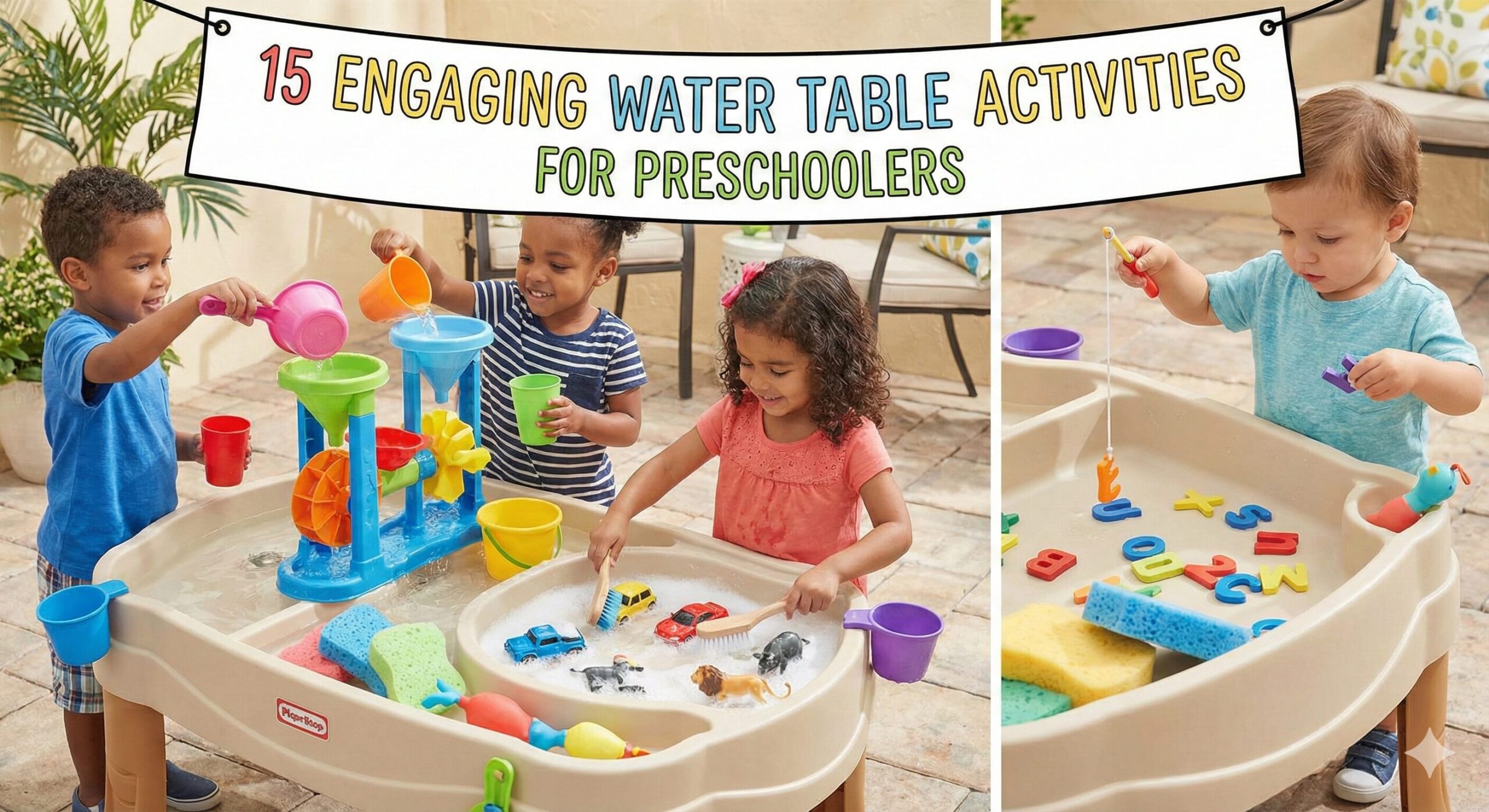
15 Engaging Water Table Activities for Preschoolers: The Ultimate Sensory Play Guide
A water table is more than just a plastic tub in the backyard; it is a laboratory, a sensory haven, and a collaborative workspace all rolled into one. For preschoolers (ages 3–5), water play provides a unique opportunity to explore physics, math, and social skills in a low-pressure environment.
Whether you have a fancy multi-tier table or a simple DIY bin, these 15 water table activities are designed to keep little hands busy and little minds growing. We have categorized them by developmental focus so you can target specific skills while keeping cool.
Activities 1-4: Science & STEM Discovery
Turn your water table into a physics lab. These activities focus on cause-and-effect, states of matter, and critical thinking.
Sink or Float Experiment
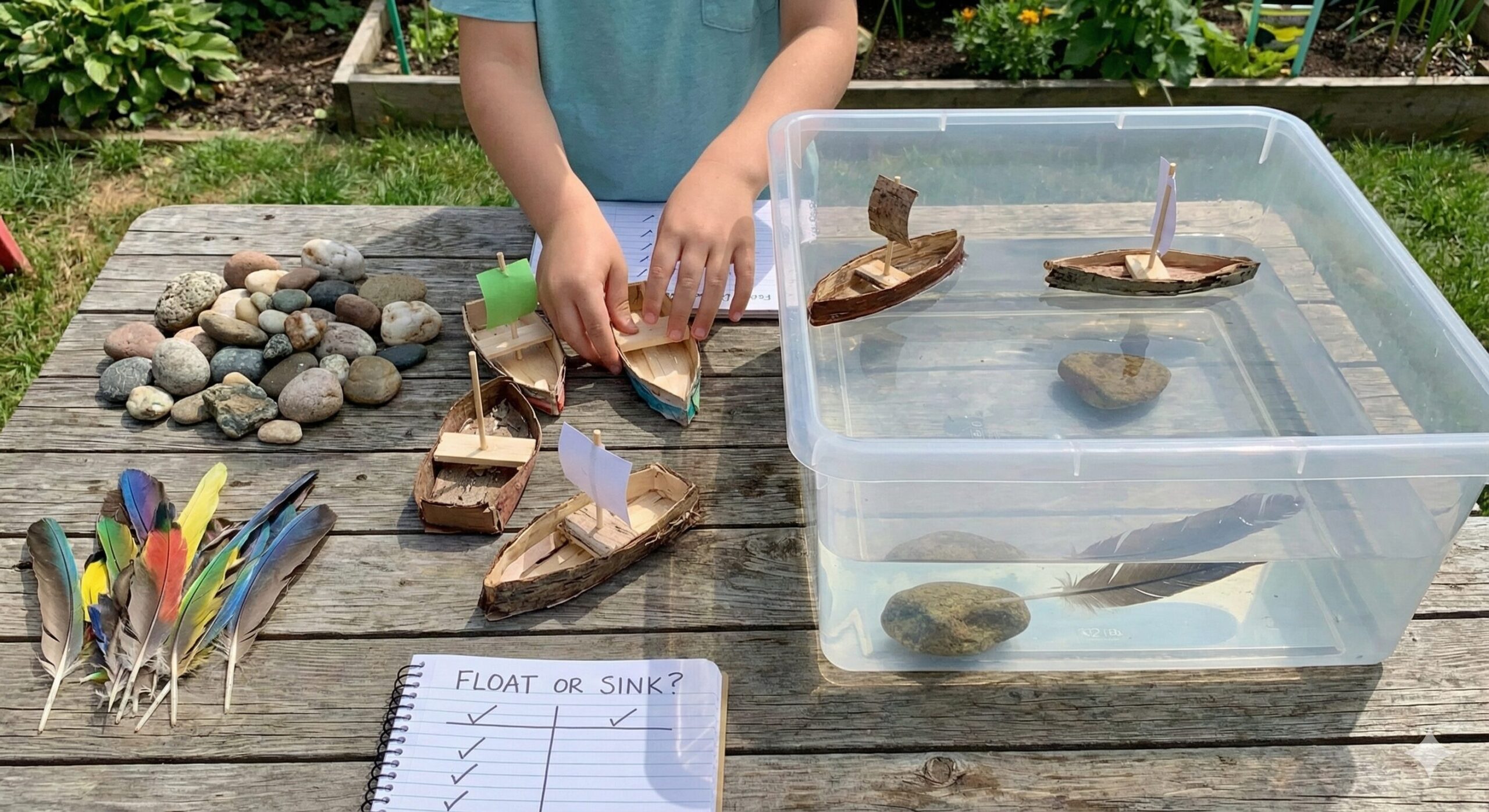
The Setup: Gather a variety of waterproof objects: a rock, a leaf, a plastic spoon, a metal spoon, a sponge, and a cork. Create two signs (or bowls) labeled “Sink” and “Float.”
The Play: Ask the child to predict what will happen before they drop the item in. This introduces the scientific method: Hypothesis -> Experiment -> Conclusion.
Ice Excavation & Temperature
The Setup: Freeze small plastic dinosaurs or beads inside large blocks of ice (use tupperware containers). Place the ice blocks in the water table.
The Play: Provide warm water in squirt bottles or salt shakers. Kids must melt the ice to “rescue” the toys. Discuss how the warm water changes the state of the ice from solid to liquid.
Potion Station (Color Mixing)
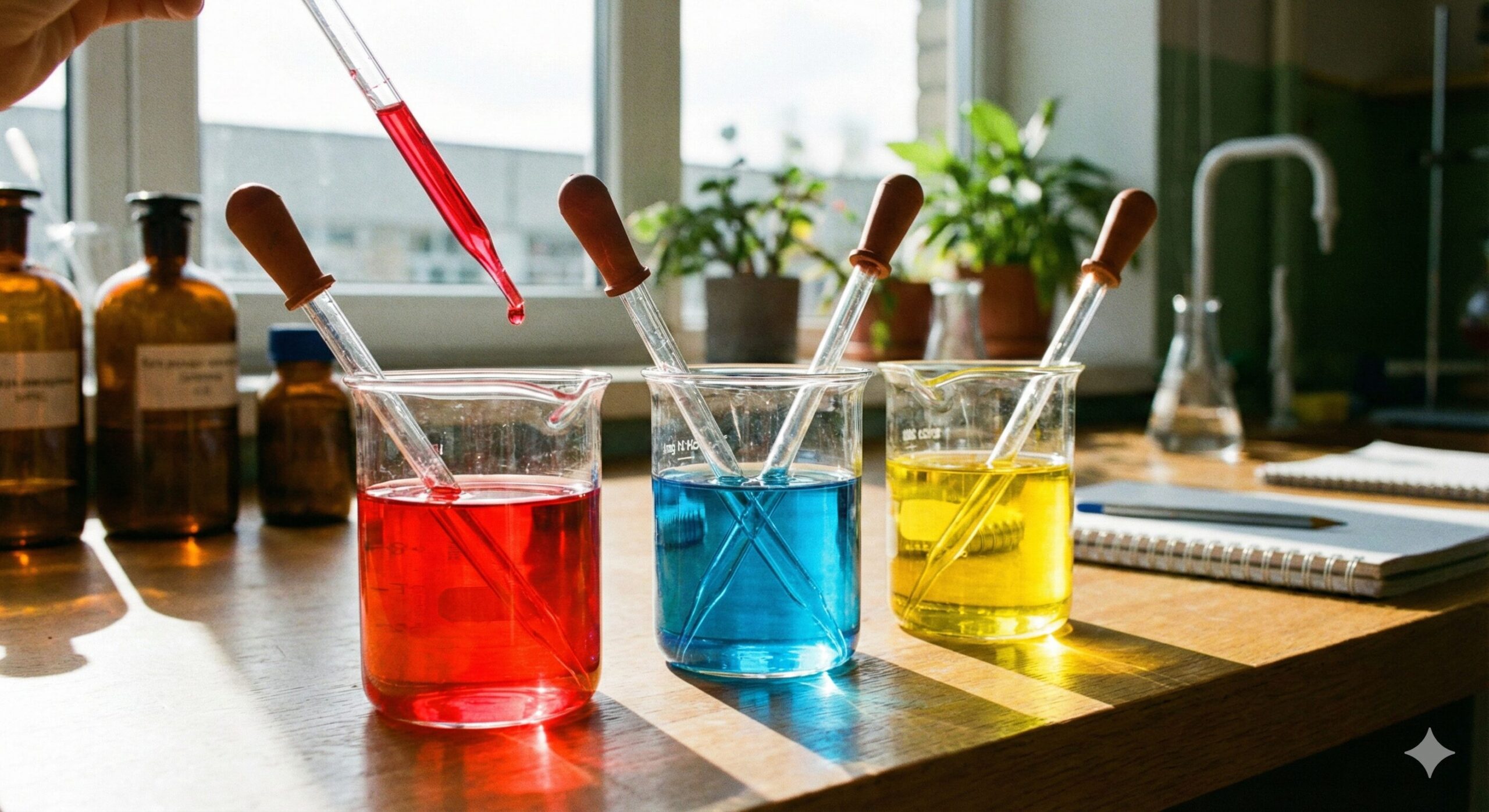
The Setup: Fill three cups with water dyed Red, Yellow, and Blue (Primary Colors). Provide an empty large bowl and droppers/pipettes.
The Play: Let them mix the waters to discover secondary colors. Red + Yellow = Orange. This is messy magic that teaches color theory better than any book.
Boat Racing (Wind Energy)
The Setup: Make simple boats using pool noodle slices and foam triangles, or use plastic toy boats. Create a “finish line” using tape on the side of the table.
The Play: Give the children straws. They must blow through the straw to propel the boat across the water. This demonstrates wind energy and propulsion.
🧪 Recommended Gear for Science Play
Learning Resources Primary Science Lab Set

These chunky, durable tools are perfect for little hands to pour, measure, and mix without breaking glass.
Check Price on AmazonActivities 5-8: Fine Motor Mastery
Strengthening the small muscles in the hands and fingers is crucial for pre-writing skills. Water creates natural resistance and weight to aid this development.
Squeeze Station
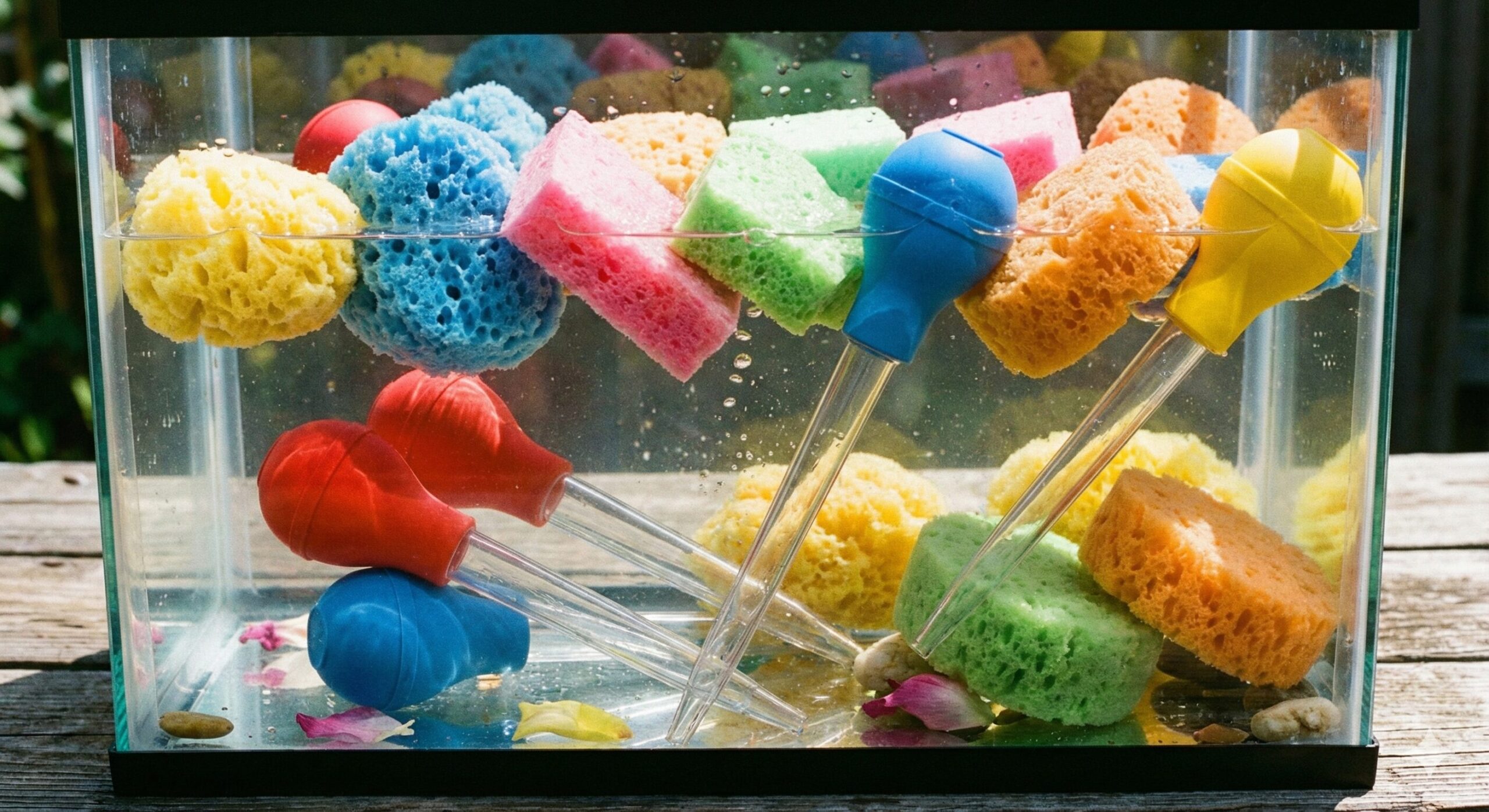
The Setup: Fill the table with water. Toss in sponges, turkey basters, and squeeze bottles.
The Play: Challenge the child to transfer water from one side of the table to a bucket on the other side using ONLY the sponges or basters. The act of squeezing builds hand arch strength.
Water Bead Sensory Bin
The Setup: Hydrate a packet of water beads (or use tapioca pearls for a taste-safe version). These slippery spheres are incredible to touch.
The Play: Add spoons and cups. Trying to catch the slippery beads requires significant hand-eye coordination and control.
Montessori Pouring Practice

The Setup: Provide pitchers of varying sizes and cups with “fill lines” marked on them.
The Play: The goal is to pour without spilling and stop exactly at the line. This requires focus and wrist control.
Alphabet Soup
The Setup: Toss foam alphabet letters into the water. Provide a ladle and a bowl.
The Play: “Can you scoop up the letter A?” “Can you make me a soup with your name in it?” This combines literacy with gross motor scoping.
🔧 Recommended Tools
Helping Hands Fine Motor Tool Set
Includes twisty droppers, scoopers, and tweezers designed specifically to strengthen scissor-grip muscles.
See on AmazonActivities 9-12: Imaginative Small Worlds
Water tables are perfect stages for storytelling. By adding simple props, you create immersive worlds for dramatic play.
Pirate Treasure Hunt
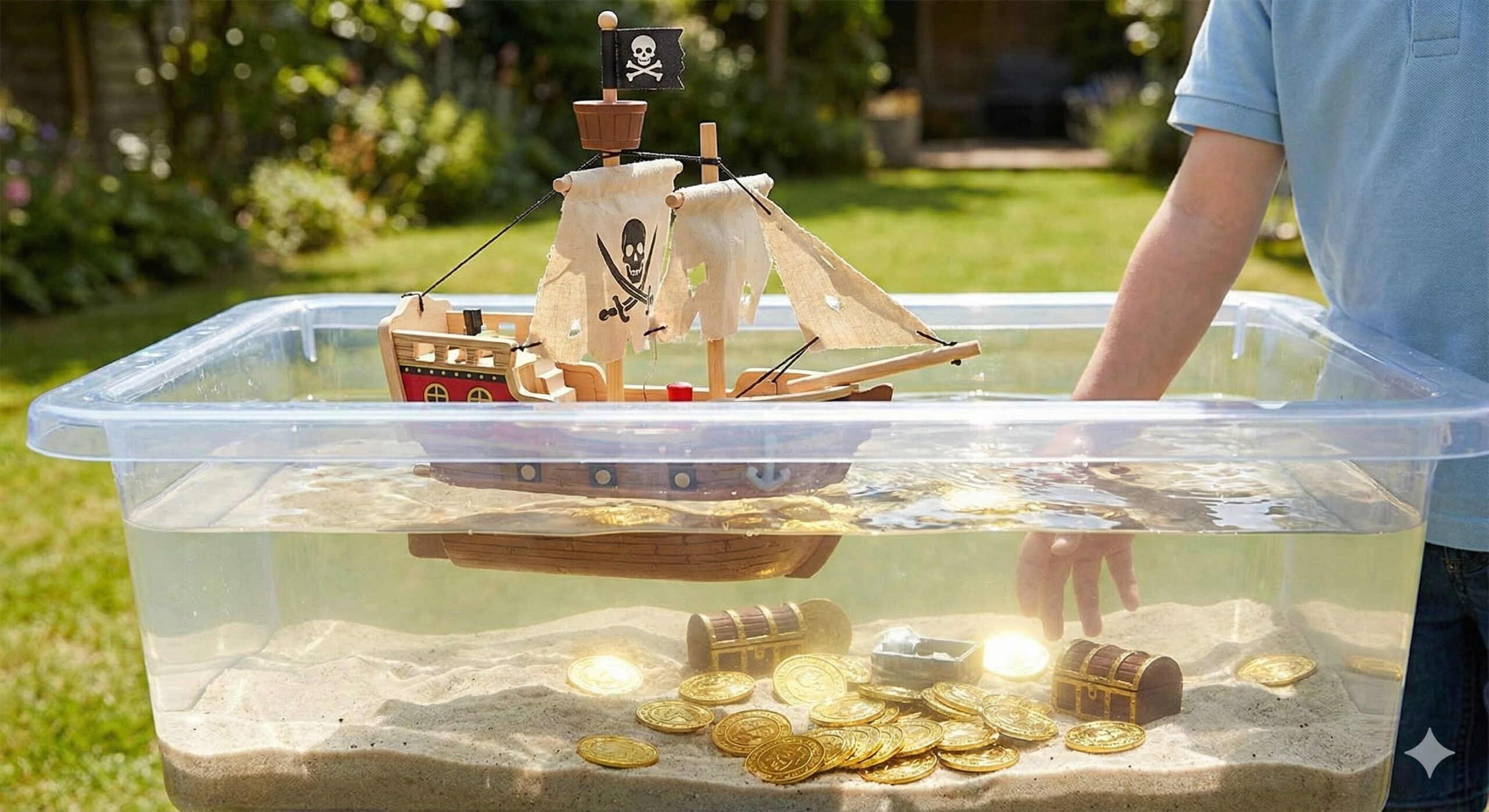
The Setup: Dye the water blue. Sink “gold coins” and gems to the bottom. Add a toy boat.
The Play: The children are pirates looking for sunken treasure. They must dive (hands-in) to retrieve the loot. This is great for cooperative play.
Ocean Small World
The Setup: Add sand to one side of the table (if it has a divider) and water to the other. Add plastic sea creatures (sharks, dolphins, crabs) and shells.
The Play: Discuss habitats. Which animals live in the deep water? Which ones go on the sand? It promotes vocabulary regarding marine biology.
Frog Pond Life Cycle
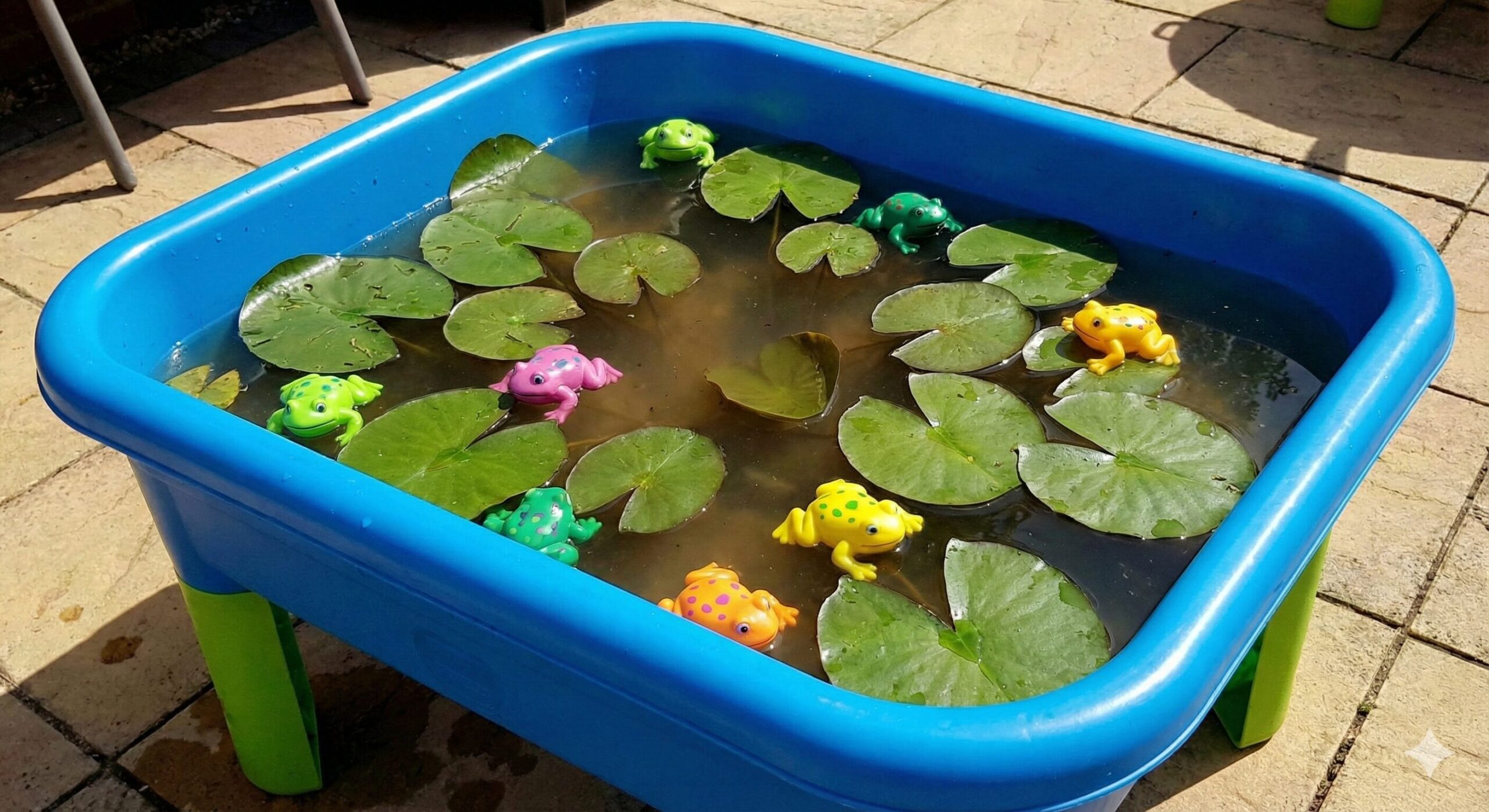
The Setup: Use foam sheets to cut out lily pads. Add plastic frogs and tadpoles. Use rocks to create “land.”
The Play: Hop the frogs from pad to pad. This helps with counting (“Five green speckled frogs”) and learning about amphibians.
Car Wash
The Setup: Make the water bubbly with tear-free soap. Throw in dirty toy cars (you can actually dirty them with mud first).
The Play: Provide toothbrushes and sponges. The kids run the “Car Wash.” They have to scrub the mud out of the tires. It’s incredibly satisfying and cleans your toys simultaneously.
🏴☠️ Essential Props
Step2 Rain Showers Splash Pond Water Table
If you don’t have a table yet, this is the gold standard. It features a waterfall tier that is perfect for creating dynamic small worlds.
Check Price on AmazonActivities 13-15: Life Skills & Nature
Connecting play to real-world tasks gives children a sense of competence and independence.
Washing the Dishes
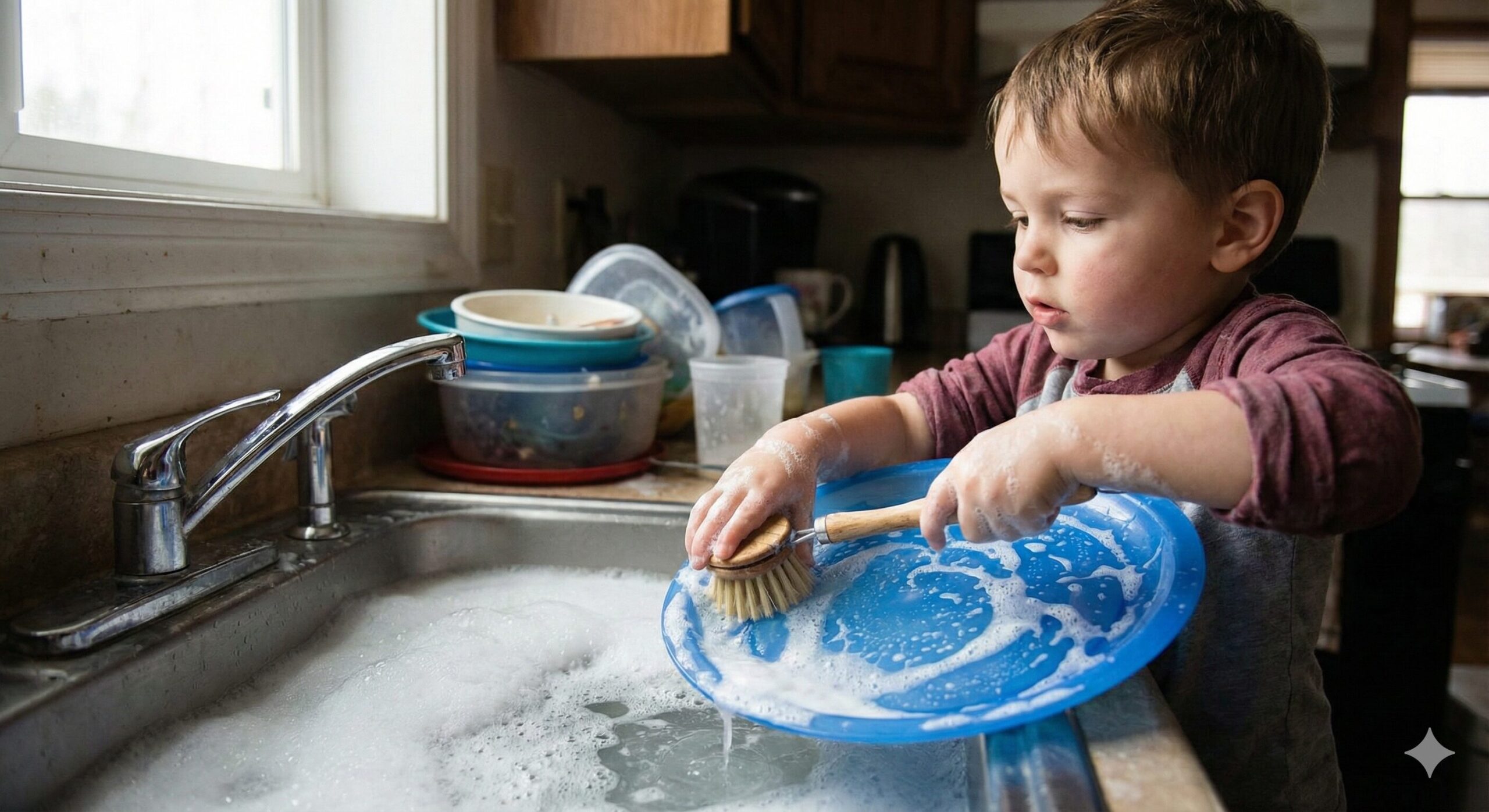
The Setup: Plastic plates, cups, and cutlery. A bottle of soap and a drying rack next to the table.
The Play: It sounds like a chore to adults, but to a 3-year-old, it’s a grown-up game. They practice the sequence: Wet -> Soap -> Scrub -> Rinse -> Dry.
Flower Petal Soup (Nature Play)
The Setup: Go on a nature walk first. Collect fallen leaves, flower petals, acorns, and pinecones.
The Play: Add the nature items to the water. Provide ladles and pots. Children “cook” nature soup. This connects them with the seasons and textures of the outdoors.
Baby Doll Bath Time
The Setup: Waterproof dolls, washcloths, and gentle soap.
The Play: Children practice empathy and caregiving by gently washing the baby. Discuss body parts (“Wash the baby’s toes, wash the baby’s ears”) to boost anatomical vocabulary.
Buying Guide: Choosing a Water Table
1. Height Matters: Ensure the table is at waist height for your child. Adjustable legs are a great feature for longevity.
2. Complexity: Simple bins are better for sensory setups (ice, sand), while tables with towers and spinners are better for physics play (pouring, water wheels).
3. Cover/Lid: Essential if you store it outside to prevent it from becoming a mosquito breeding ground or filling with leaves.