5 Best Marble Runs Reviewed : GraviTrax, National Geographic, VTech & More
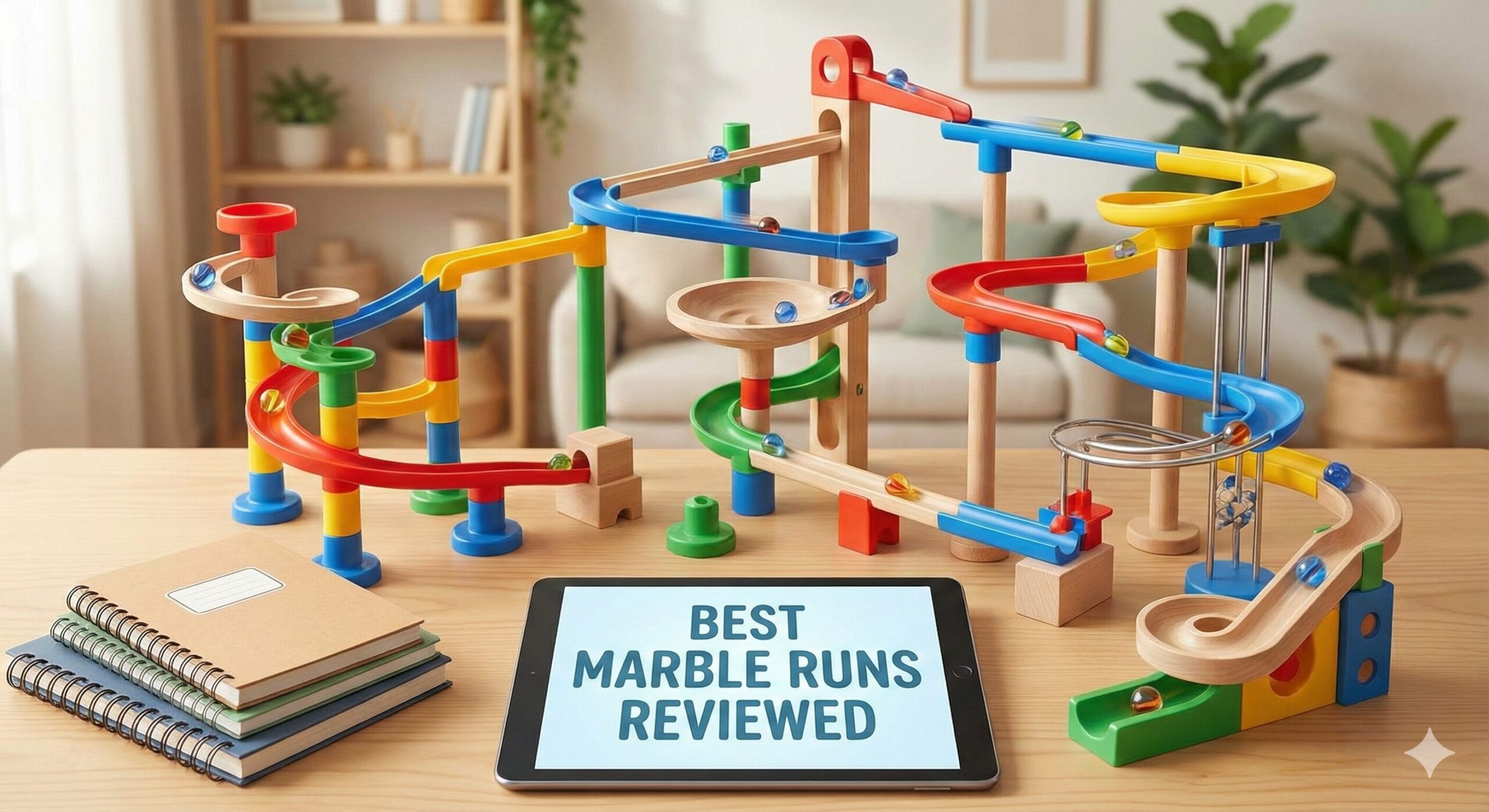
In the world of STEM learning and creative play, few toys offer the visceral satisfaction of a marble run. It is the perfect intersection of architecture, physics, and pure chaotic fun. Whether you are looking for a simple gravity-fed chute for a toddler or a magnetic, anti-gravity engineering system for a pre-teen, the market is saturated with options.
But not all plastic chutes are created equal. As we analyze the 5 best marble runs currently dominating the market—GraviTrax, National Geographic, MindWare, Galt, and VTech—we aren’t just looking at how fast the marble rolls. We are looking at structural integrity, replayability, educational value, and the quality of the interlocking mechanisms.
If you’ve been researching best creative toys or debating between wooden toys vs plastic toys, this guide will break down exactly which marble run suits your child’s developmental stage.
At a Glance: The Top Contenders
| Brand | Best For | Material | Key Feature | Difficulty |
|---|---|---|---|---|
| GraviTrax | Older Kids & STEM | Plastic, Metal, Cardboard | Magnetic Cannons | High |
| National Geographic | Science Lovers | Plastic | Glow-in-the-Dark | Medium |
| MindWare | Architects | High-Impact Polystyrene | Vertical Height | Medium |
| Galt | Beginners | Plastic | Simple Assembly | Low |
| VTech | Interactive Play | Plastic | Electronic Sounds | Low/Medium |
1. GraviTrax Starter Set: The Future of Physics
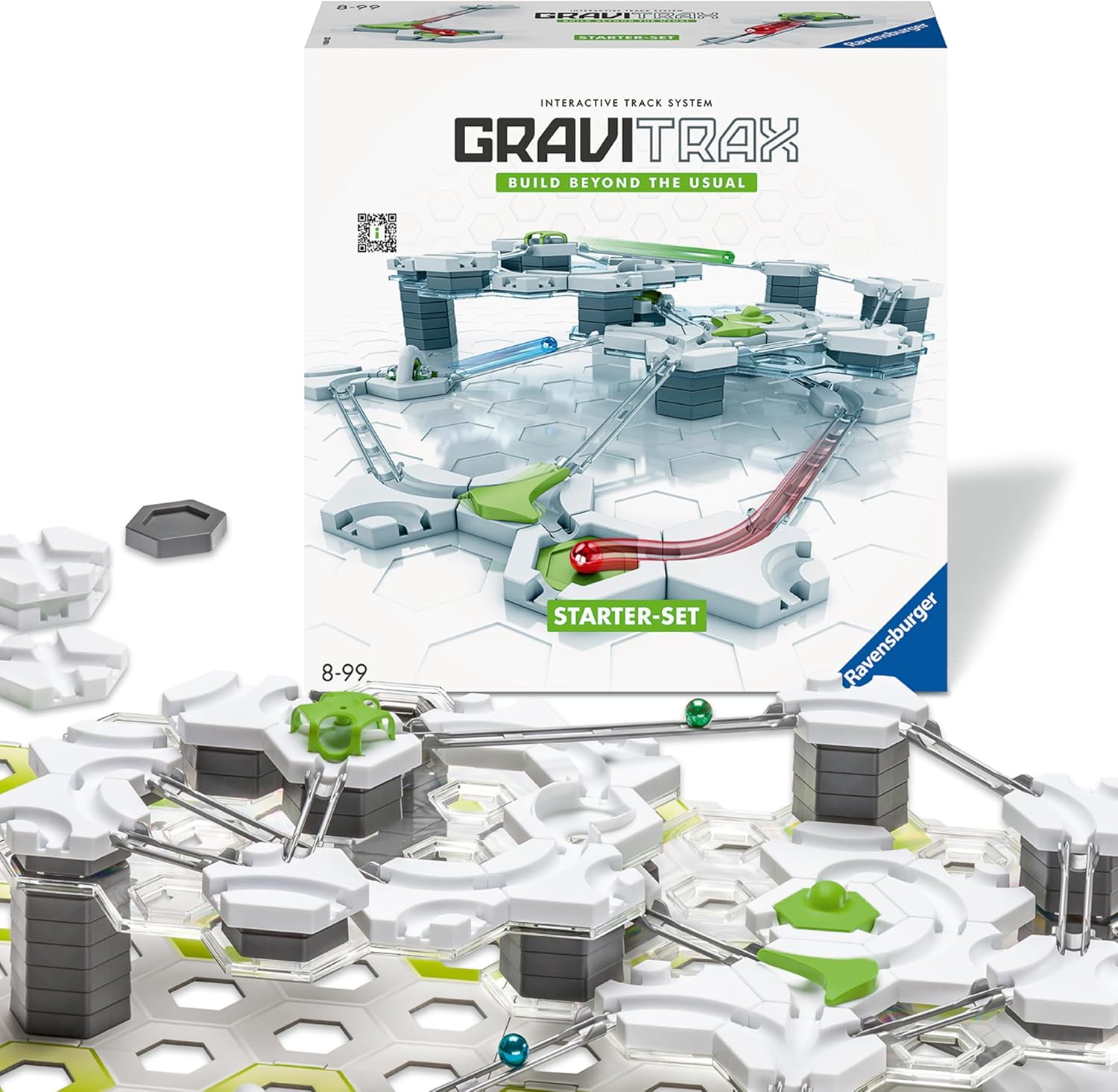
If traditional marble runs are classical mechanics, GraviTrax is quantum physics. Ravensburger has created something that transcends the definition of a “toy.” It is an interactive track system that relies heavily on magnetism, gravity, and kinetics to propel marbles through the course.
Unlike standard vertical stacking runs, GraviTrax is built horizontally using hexagonal base plates. This encourages a different kind of spatial reasoning. The standout feature here is the Gauss Cannon, a magnetic accelerator that shoots the marble uphill and across gaps, defying the standard “downhill only” limitation of other sets.
For parents interested in best space toys or futuristic engineering, this is the gold standard.
Why We Love It (Pros)
|
Potential Drawbacks (Cons)
|
 Check Price on Amazon
2. National Geographic Glow-in-the-Dark Marble Run
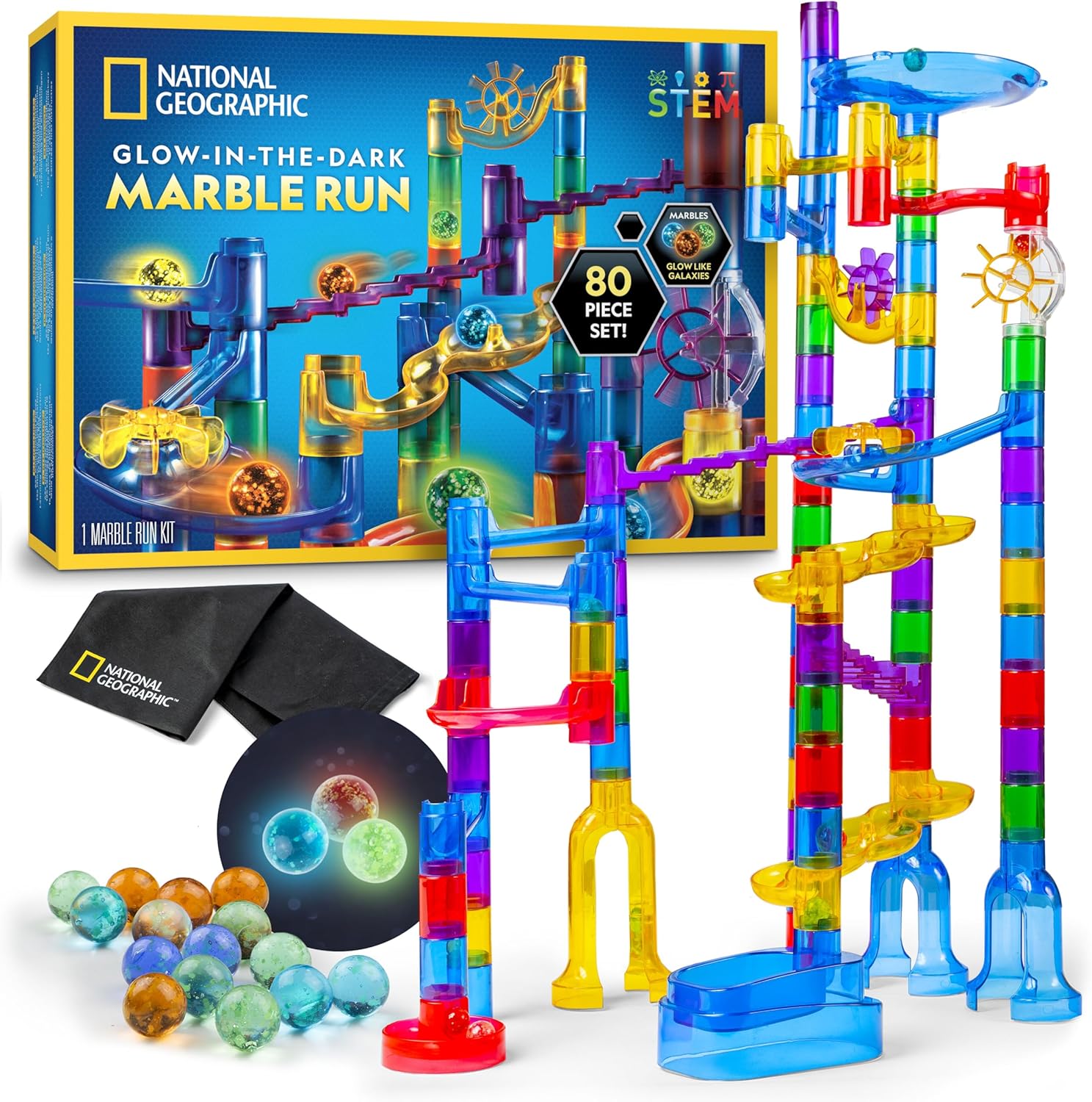
National Geographic has a reputation for combining education with entertainment, and this set is no exception. While it follows the traditional vertical stacking mechanism, it introduces a visual flair that captures attention: fluorescence.
The marbles are actual glass (unlike the steel bearings of GraviTrax) and include a UV keychain light to charge the glow-in-the-dark pieces. This set comes with a detailed learning guide that explains the physics of motion, making it a fantastic tool for parents who want to explain what are Montessori toys and educational aids (even though this is more STEM than strict Montessori).
Why We Love It (Pros)
|
Potential Drawbacks (Cons)
|
 Check Price on Amazon
3. MindWare Marble Run: The Architect’s Choice
When you imagine a classic marble run—bright colors, spinning wheels, and towering chutes—you are imagining the MindWare Marble Run. This set is famous for its durability and the sheer variety of pieces included.
What sets MindWare apart is the thickness of the plastic. It uses high-impact polystyrene, making it significantly more robust than cheap knock-offs. The pieces are designed to handle the weight of a tall structure without bowing. If your child enjoys Picasso Tiles vs Magna-Tiles for the building aspect, they will appreciate the structural engineering required here.
Why We Love It (Pros)
|
Potential Drawbacks (Cons)
|
 Check Price on Amazon
4. Galt Toys Super Marble Run
The Galt Super Marble Run is an entry-level classic that has been around for years. It strikes a balance between complexity and ease of use. Unlike the GraviTrax which requires reading instructions, or the MindWare which requires structural planning, the Galt set is intuitive.
This is the “sandbox” of marble runs. It is easy to snap together and easy to pull apart. While it may not have the high-tech allure of others, it supports benefits of imaginative play by allowing children to rapidly prototype different track layouts without getting bogged down in complex connections.
Why We Love It (Pros)
|
Potential Drawbacks (Cons)
|
 Check Price on Amazon
5. VTech Marble Rush: Electronic Excitement
VTech dominates the electronic learning toy market, and their Marble Rush series brings that expertise to the marble run genre. This is an “active” set. It includes battery-operated components like Ferris wheels, launchers, and light-up modules that react when marbles pass through.
It utilizes a color-coded building system which helps with instruction following (similar to LEGO). For children who might get bored with the passive nature of gravity-only runs, the lights and sounds keep engagement high. It serves as a great bridge between best pretend play toys for 4-year-olds and more complex engineering sets.
Why We Love It (Pros)
|
Potential Drawbacks (Cons)
|
 Check Price on Amazon
The Science Behind the Fun: What to Look For
Choosing a marble run isn’t just about the brand; it’s about understanding the mechanics. When evaluating these sets, we considered three main factors: Friction, Stability, and Verticality.
1. Stability and Material
If you have read our guide on wooden toys vs plastic toys, you know that weight matters. Heavier plastic (like MindWare) or magnetic bases (like GraviTrax) provide the necessary anchor. Flimsy sets lead to frustration when a masterpiece collapses mid-run.
2. The Physics of the Marble
GraviTrax uses steel balls which have higher mass and carry more momentum, allowing for loops and jumps. National Geographic and MindWare use glass or plastic marbles, which rely strictly on slope (gravity) to maintain speed. Understanding this helps you decide if you want a toy (VTech) or a physics lesson (GraviTrax).
3. Age Appropriateness
Be mindful of small parts. Standard marbles are choking hazards. For younger children, look for “Junior” runs with oversized balls, similar to how you might choose Montessori toys vs regular toys based on safety and developmental stages.
Frequently Asked Questions
Are all marble runs compatible with each other?
Generally, no. MindWare and Galt sometimes share similar connector sizes, but GraviTrax and VTech have proprietary locking mechanisms that do not work with other brands.
What is the best age for GraviTrax?
GraviTrax is recommended for ages 8 and up. It requires fine motor skills and patience to align the tracks correctly. Younger children may find the precision required frustrating.
Do marble runs help with brain development?
Yes. They are excellent for developing spatial reasoning, problem-solving skills, and understanding cause-and-effect relationships. They introduce basic physics concepts like gravity and kinetic energy, much like what is a jigsaw puzzle doing for pattern recognition.
Which marble run is best for toddlers?
For toddlers, avoid the sets on this specific list due to small marbles. Look for “Junior” versions from brands like Galt or VTech that use large, weighted balls that cannot be swallowed.
Final Verdict: Which One Should You Buy?
Choosing the “best” marble run depends entirely on the builder.
- For the Future Engineer (8+): Buy GraviTrax. The open-ended nature and magnetic elements make it a STEM powerhouse.
- For the Visual Learner: Buy National Geographic. The glow-in-the-dark aspect and educational guide add immense value.
- For the Durable Builder: Buy MindWare. It creates the tallest, sturdiest towers.
- For Active Play: Buy VTech. The sounds and motorized parts keep high-energy kids engaged.
Whichever you choose, you are investing in a toy that grows with your child, fostering creativity and logical thinking that extends far beyond the playroom.
See Today’s Best Deals on Amazon