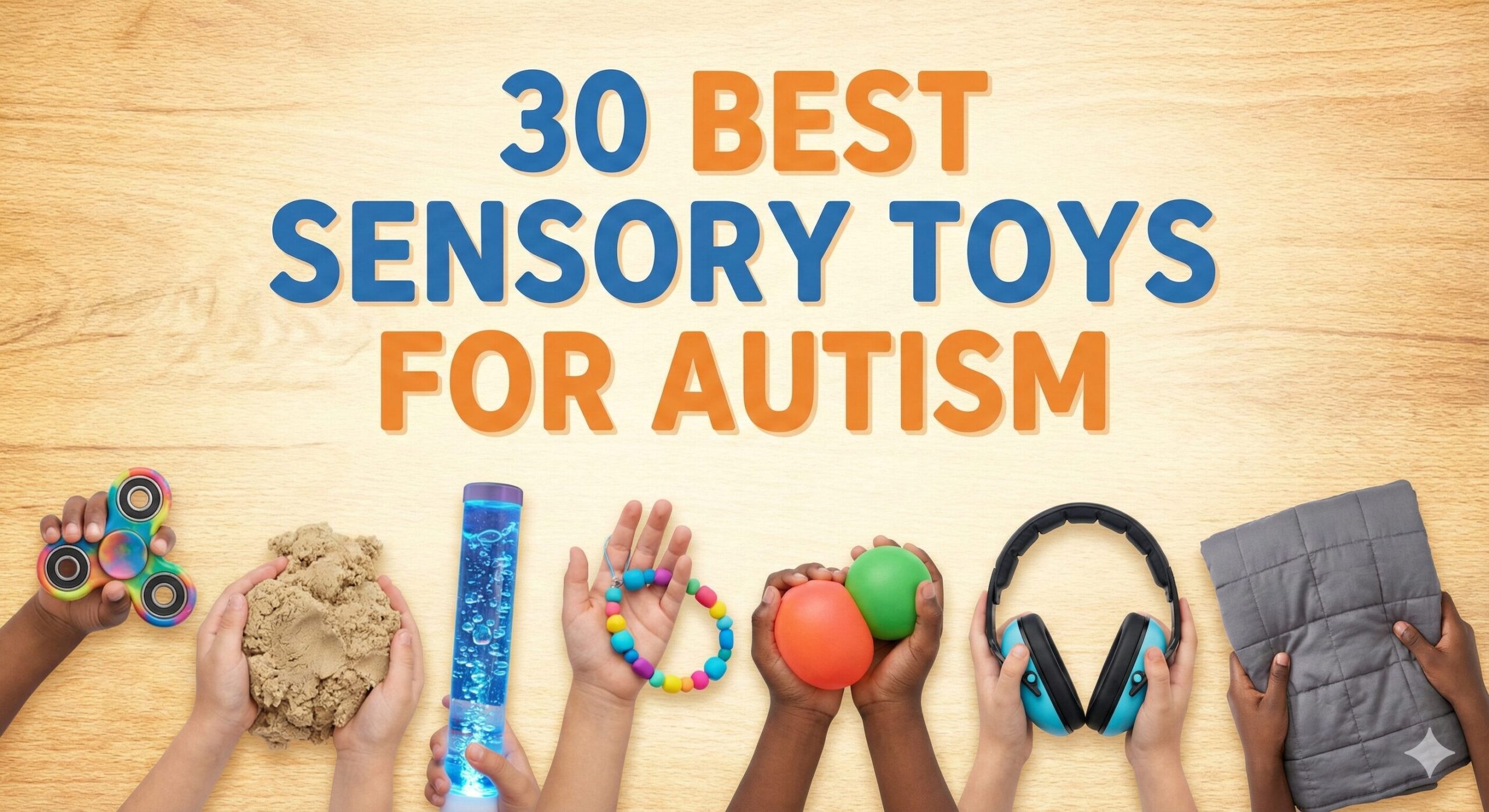
30 Best Sensory Toys for Autism: The Ultimate Development & Calming Guide
Finding the right tools to support a child on the autism spectrum is less about buying “toys” and more about discovering bridges. Bridges to communication, emotional regulation, and a calmer nervous system. Whether you are a parent, a therapist, or an educator, you know that sensory processing differences can make the world feel overwhelming, chaotic, or sometimes dangerously under-stimulating.
The 30 best sensory toys for autism listed in this comprehensive guide aren’t just for play; they are essential instruments for self-regulation. We’ve categorized them by sensory system—Visual, Tactile, Proprioceptive, Auditory, and Vestibular—to help you target your child’s specific seeking or avoiding behaviors. We have analyzed durability, safety features, and therapeutic value to bring you this definitive 2026 list.
1. Visual Sensory Toys for Calming & Focus
Visual sensory seekers love lights, spinning objects, and bright colors. These children may stare at ceiling fans or flick their fingers in front of their eyes. The toys below provide that desired visual input in a controlled, safe manner, or help “zone out” and decompress after a long day of overstimulation.
1. Bubble Tube Floor Lamp with Fish

The Bubble Tube is often the centerpiece of professional “Snoezelen” sensory rooms. This tall LED tower features changing colors and floating artificial fish that bob rhythmically in the bubbles. It provides a hypnotic visual input that is incredibly grounding. Watching the fish rise and fall encourages visual tracking skills, which are vital for reading and attention.
Pros
- Low-hum motor provides white noise
- Remote controlled colors for cause-and-effect
- Sturdy base prevents tipping
Cons
- Requires distilled water maintenance
- Needs a nearby electrical outlet
2. Liquid Motion Bubbler Timer

A classic staple in any sensory kit or classroom. The slow, rhythmic dropping of colored oil in water helps transition between tasks or calm anxiety attacks. Because it requires no batteries and makes no noise, it is the perfect “desk toy” for school environments where discretion is necessary.
3. Fiber Optic Light Wand

These handheld wands feature swaying strands of light that change color. They are fantastic for visual tracking exercises and can be used in dark dens for a low-stimulation environment. Unlike bright screens which can be alerting, the soft glow of fiber optics is generally soothing.
Check Price on Amazon4. Projector Night Light (Ocean Wave)

This device projects moving ocean waves or stars onto the ceiling. It is often essential for bedtime routines for children who have trouble winding down due to visual seeking behaviors. Many models come with built-in speakers to play nature sounds.
5. LED Light Table / Light Box
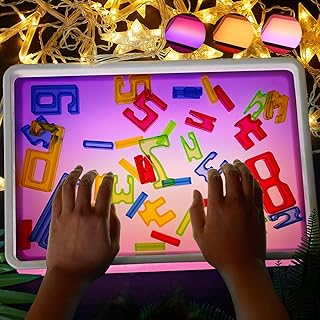
Used often in occupational therapy, light tables allow children to manipulate translucent shapes, x-rays, or sand. It increases attention span by providing a high-contrast background, making the objects of focus “pop” visually. This is excellent for fine motor tracing and learning colors.
Check Price on Amazon📦 Ready to Build a Sensory Room?
We’ve found the highest-rated Visual Sensory bundles available right now.
2. Tactile & Fidget Tools
For the “touchers”—kids who need to feel textures to understand their environment. This section includes fidgets for school focus and textured toys for home exploration.
6. Pop-It Sensory Boards
Mimicking the infinite sensation of bubble wrap, these silicone trays are durable, washable, and provide endless tactile satisfaction. They have become a social phenomenon, making them a great inclusive toy for playgrounds. The “pop” sound also offers mild auditory feedback.
Check Price on Amazon7. Kinetic Sand

Unlike regular sand, this polymer-coated sand sticks to itself. It offers deep pressure to the hands when squeezed and flows like a slow liquid when released. It is “mess-free” compared to mud or dry sand, making it ideal for indoor sensory bins.
8. Spiky Sensory Balls

These firm balls have nubs that provide intense tactile feedback when squeezed. They can also be rolled over the back, arms, or feet for a “waking up” massage effect. This is particularly helpful for children with low muscle tone who need extra stimulation to feel their limbs.
Check Price on Amazon9. Pin Art Impression Board

The classic metal pin board allows kids to press their hands or face into it to create 3D sculptures. Beyond the visual appeal, the metal pins provide a cool temperature feedback which can be very grounding for children who run warm when agitated.
Check Price on Amazon10. Water Beads

Slippery, wet, and bouncy. A bin full of water beads is the ultimate immersive tactile experience. *Note: Strict supervision is required to prevent ingestion, as these expand in water.* For safer alternatives for mouthing children, consider edible tapioca pearls.
Check Price on Amazon11. Stretchy Strings (Monkey Noodles)

These can be pulled to 8 feet long! They help release aggression and tension without breaking. The resistance felt when pulling provides proprioceptive input to the arm muscles, helping to regulate force control.
Check Price on Amazon3. Proprioceptive (Heavy Work) Tools
Proprioception is the body’s awareness of where it is in space. “Crashers,” “jumpers,” and “huggers” are seeking deep pressure input to feel secure and organized.
12. Weighted Blanket
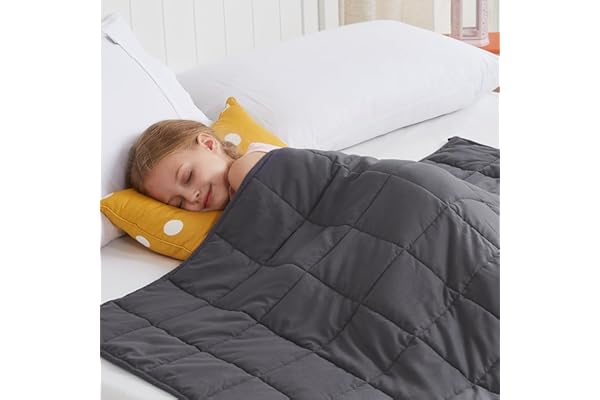
This is arguably the most effective tool for anxiety and sleep. It provides “Deep Touch Pressure” (DTP) which increases serotonin and melatonin levels while reducing cortisol. Ensure the blanket is approximately 10% of the child’s body weight plus one pound.
Pros
- Clinically proven to reduce anxiety
- Improves sleep quality
- Available in various fabrics (minky, cooling cotton)
Cons
- Can be hot in summer (look for bamboo versions)
- Not safe for infants or those who cannot remove it themselves
13. Sensory Body Sock

A translucent Lycra sack the child climbs into. It provides resistance when they stretch their arms and legs, helping map their body boundaries. The enclosed space also offers a feeling of safety and separation from the outside world.
Check Price on Amazon14. Weighted Lap Pad

A portable version of the blanket. Perfect for school desks, dinner tables, or car rides to help keep legs still (“quiet legs”) and improve focus. The weight on the thighs sends calming signals to the brain.
Check Price on Amazon15. Therapy Putty
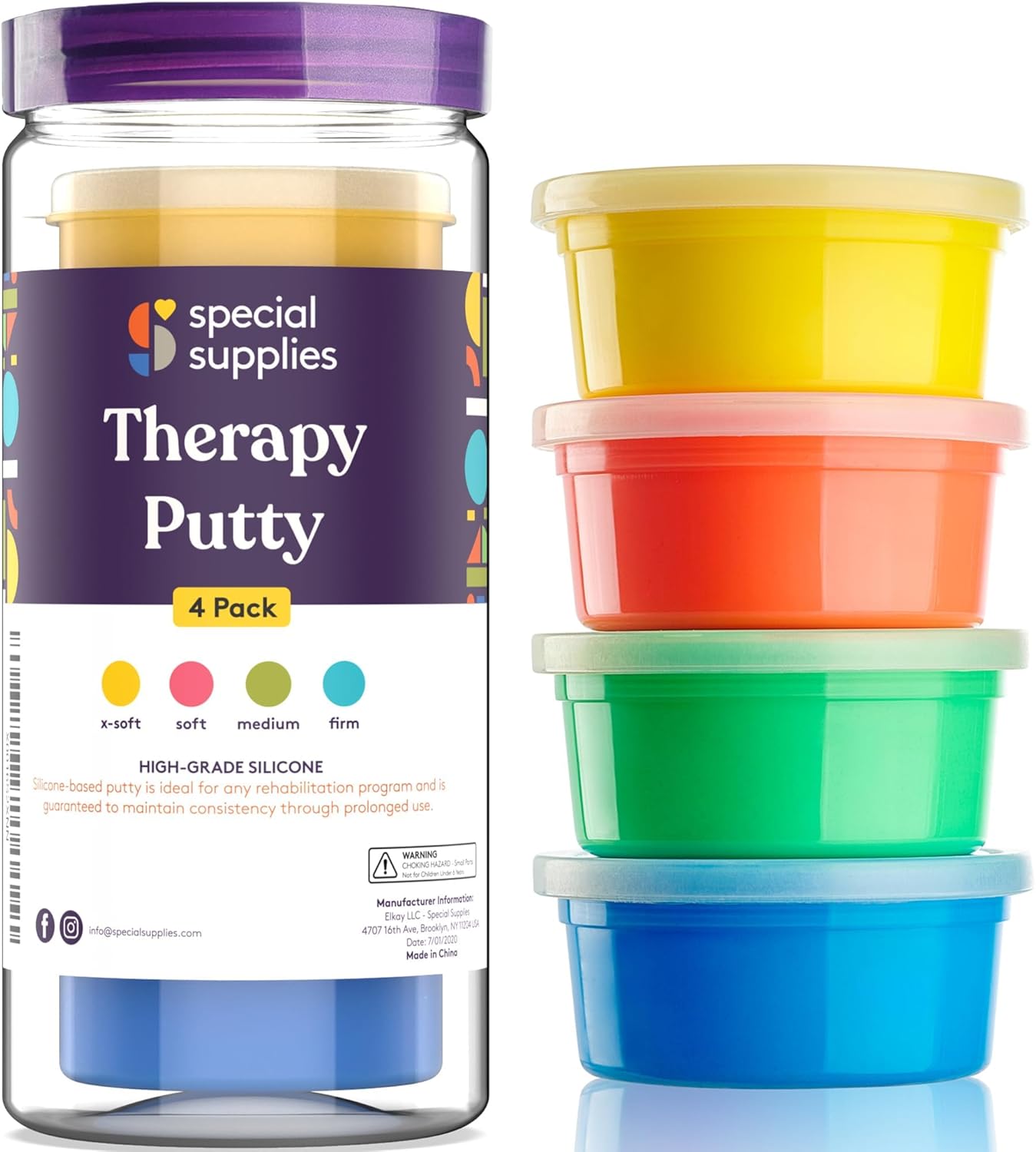
Comes in various resistance levels (soft to firm). Squeezing putty provides heavy work for the hand muscles, improving fine motor skills for handwriting while simultaneously allowing the child to vent frustration.
Check Price on Amazon16. Crash Pad
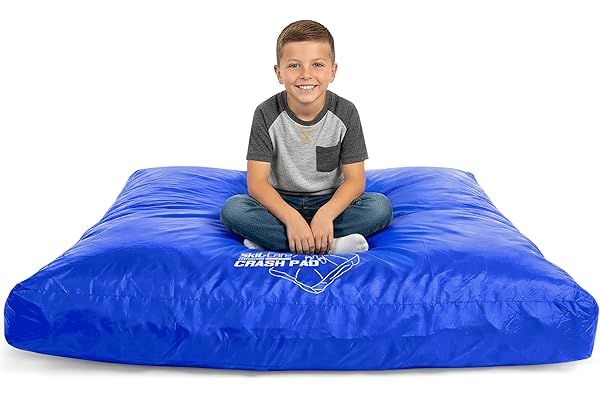
A giant foam-filled bag designed to be jumped on, flopped onto, and wrestled with. It provides a safe outlet for high-energy throwing of the body, sparing your living room sofa. Ideally, place this under a climbing wall or swing.
Check Price on Amazon17. Ankle Weights
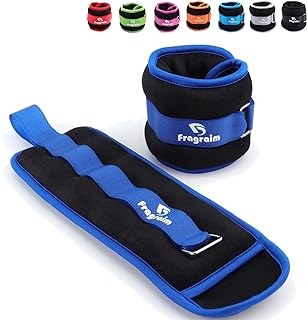
Subtle proprioceptive input. Wearing these during a walk can help ground a child who tends to walk on their tiptoes (toe walking). The added resistance increases awareness of foot placement.
Check Price on Amazon📦 Find Deep Pressure Tools
We’ve curated a list of the best compression sheets and weighted vests.
View Amazon Collection4. Auditory Sensory Toys
This category serves two purposes: blocking out overwhelming noise for sensitive ears, or creating pleasing, controllable sounds for auditory seekers.
18. Noise Cancelling Headphones

Essential for public outings, fireworks, or busy cafeterias. Brands like Banz or specialized Sony headphones reduce decibels to a safe level without completely blocking speech, allowing the child to remain aware of their surroundings while reducing pain from high frequencies.
Check Price on Amazon19. Rainmaker Toy

When turned over, hundreds of tiny beads cascade down through internal platforms, creating the gentle, continuous sound of falling rain. It is non-jarring and very soothing, making it appropriate for auditory sensitive children who still want to explore sound.
Check Price on Amazon20. Pop Tubes

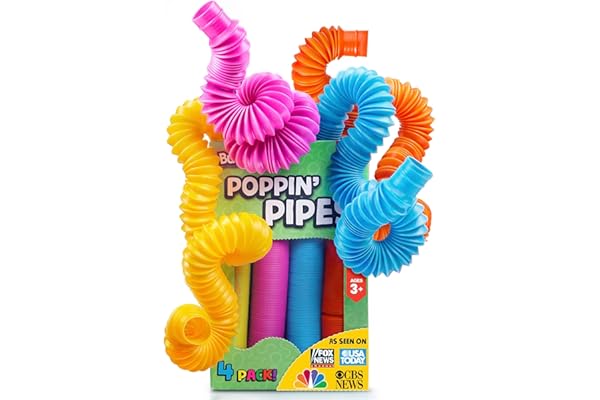
These corrugated plastic tubes make a distinct “popping” sound when expanded and a high-pitched “whistle” when spun around in the air. They can be connected to form long pipes, encouraging bilateral coordination.
Check Price on Amazon21. Sound Puzzles

Wooden puzzles that play a realistic sound (like a cow mooing or car honking) only when the piece is placed correctly in its slot. This provides immediate auditory reinforcement for completing a fine motor task.
Check Price on Amazon5. Vestibular & Movement Toys
The vestibular system is located in the inner ear and controls balance and eye movement. Children who rock, spin, or hang upside down are seeking vestibular input to organize their brain.
22. Indoor Therapy Swing (Pod Swing)

A cocoon-like swing that allows spinning (rotary input) and linear swinging. It combines vestibular input with the deep pressure of the fabric walls. The spinning motion is one of the most powerful forms of sensory input.
23. Sit ‘n Spin

The classic toy that lets kids control their own spinning speed. It puts the child in the driver’s seat, allowing them to stop when they feel dizzy, which teaches self-regulation. It is also excellent for developing upper body strength.
Check Price on Amazon24. Balance Board (Wobble Board)

A simple curved wooden board. Kids can stand on it and rock, or flip it over to use as a bridge, slide, or seat. It engages the core muscles and requires constant micro-adjustments of balance.
Check Price on Amazon25. Scooter Board

A square plastic board with casters. Kids lie on their stomachs (“prone position”) and propel themselves with their hands. This builds immense back and neck strength, which is essential for sitting posture at a desk.
Check Price on Amazon26. Trampoline (with Handle)

Rhythmic jumping organizes the brain. A small indoor trampoline with a safety bar is a must-have for high-energy sensory seekers. It allows them to get the “wiggles” out in a designated spot rather than jumping on furniture.
Check Price on Amazon6. Oral Motor & Organization Tools
Oral seeking behavior (chewing shirts, pencils) is very common. These tools provide safe outlets for chewing and help with emotional identification.
27. Chewable Jewelry (Chewelry)

Silicone necklaces designed to be bitten. They save shirt collars and pencils from destruction and provide calming oral input. They come in discreet designs (like dog tags or lego bricks) that look like regular jewelry.
Check Price on Amazon28. Vibrating Toothbrush
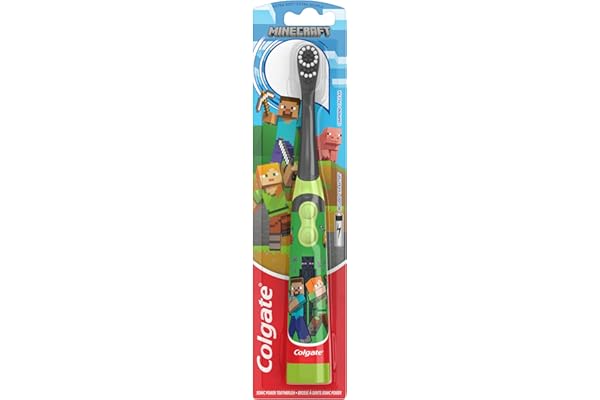
The vibration provides intense oral stimulation which can “wake up” the mouth for speech or help desensitize hypersensitive gums. It is often a great stepping stone for children who are afraid of regular brushing.
Check Price on Amazon29. Visual Schedule Board

Magnetic boards that outline the day’s routine using pictures. This reduces anxiety by making the abstract concept of time concrete. Knowing “what comes next” prevents many behavioral meltdowns associated with transitions.
Check Price on Amazon30. Emotional Regulation Plushies (TeeTurtle)

Reversible plush toys (happy/sad) that help non-verbal children express their current emotional state. Flipping the toy to “angry” allows the child to communicate a boundary without needing to use difficult words during a stressful moment.
Check Price on AmazonBuying Guide: How to Choose Sensory Toys
When selecting from the best sensory toys for autism, you must think like an occupational therapist. It is not about what looks fun, but what function it serves for the nervous system.
1. Identify the Sensory Profile
The Seeker (Hyposensitive): This child craves input. They crash into walls, hum loudly, and love spinning. They need high-intensity toys like trampolines, weighted blankets, and loud musical instruments to feel “normal.”
The Avoider (Hypersensitive): This child covers their ears, hates messy hands, and prefers dark rooms. They need calming, protective tools like noise-cancelling headphones, sunglasses, and gentle fiber optic lights.
2. Safety & Durability
Many children with autism explore the world through their mouths well past the toddler age. Ensure that chew toys are medical-grade silicone (BPA/Phthalate free). For children who throw items when frustrated, avoid hard plastics that can shatter; opt for wood or high-density foam instead.
3. Open-Ended vs. Closed-Ended
Closed-Ended: Puzzles or sorting games. These have a clear beginning and end. They are great for teaching structure and task completion.
Open-Ended: Blocks, sand, or play dough. These have no rules. They encourage imagination but can sometimes be overwhelming for a child who craves structure. Balance your toy box with both.